

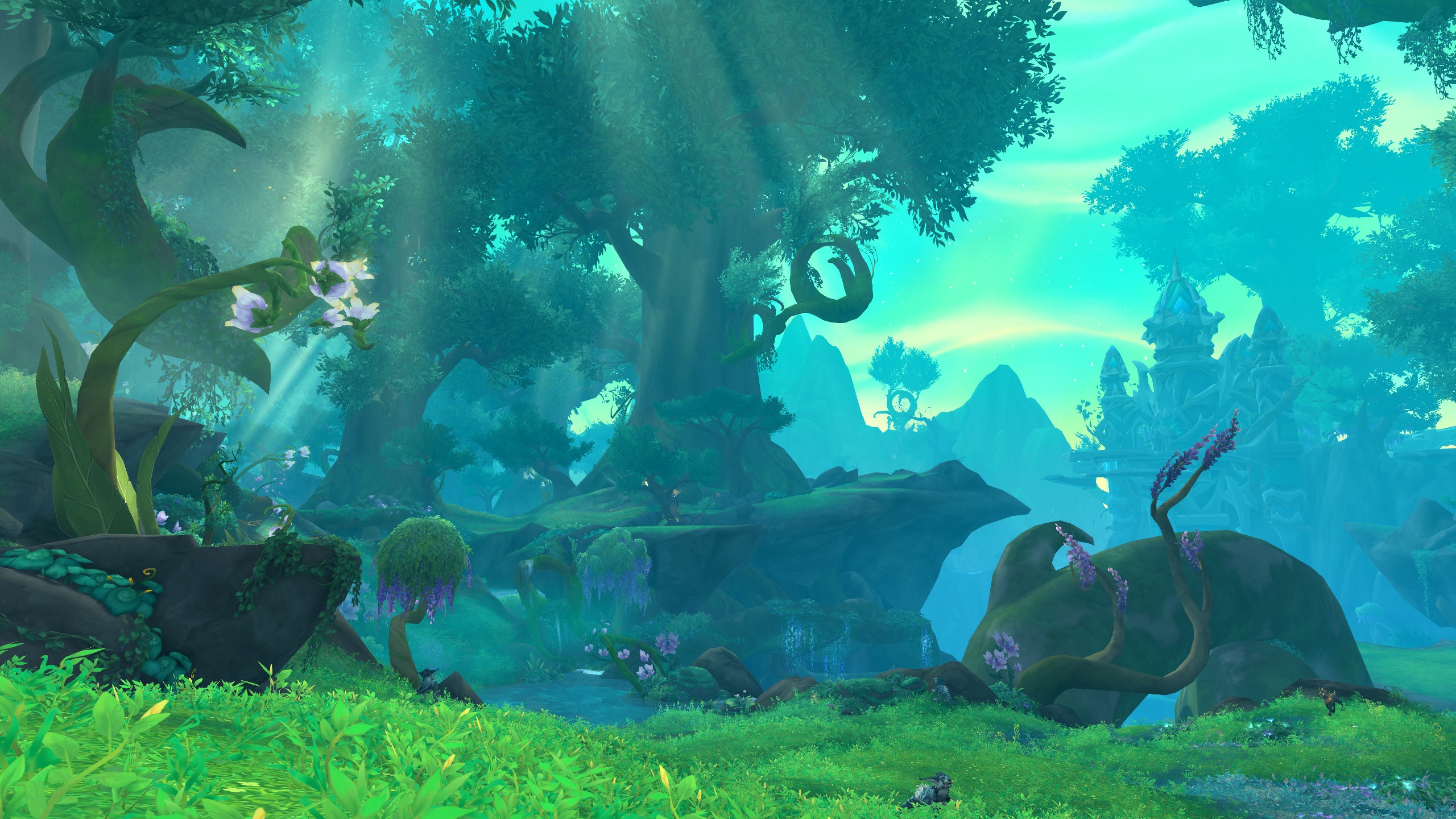
To investigate World of Warcraft’s cut content and unused assets, begin by delving into the Emerald Dream—an intriguing area concealed in game files, hinting at what might have been. Explore the mystery of Karazhan Crypts, sealed beneath the iconic tower, and ponder the secrets they hold. Be sure to check out the Azshara Crater Battles, a PvP battleground concept that never progressed beyond development. The enigmatic Grim Batol, with its undisclosed tales and potential quests, and the incomplete zones of Outlands, like Farahlon, provide glimpses into WoW’s vast world not witnessed by players. Every piece of unused content recounts a tale of ambition and the evolving journey of game development. Unearthing these secrets will grant you a deeper insight into the game’s lore and development history.
Key Takeaways
- The Emerald Dream represents a vast, unexplored concept initially planned but not included in the final game due to development constraints.
- Karazhan Crypts, hidden beneath Karazhan, contain extensive cut content, hinting at what could have been a deep, narrative-rich area.
- Azshara Crater Battles were envisioned as a unique PvP battleground with new mechanics, but were ultimately scrapped, leaving players wondering.
- Grim Batol was intended to be a significant location with quests and lore involving the Red Dragonflight, showcasing the game’s untapped potential.
- Outland’s unused zones like Farahlon and the Crypts beneath Auchindoun tease players with glimpses of adventures and stories left untold.
The Emerald Dream Unveiled
Delving into World of Warcraft’s cut content, we uncover the Emerald Dream, a mystical, unreleased zone that’s captivated players’ imaginations for years. Hidden within the game’s files, the Emerald Dream represents a significant piece of WoW cut content that’s intrigued the community. Delving deeper, you’ll find that game limitations at the time of development contributed to its absence from the final game client.
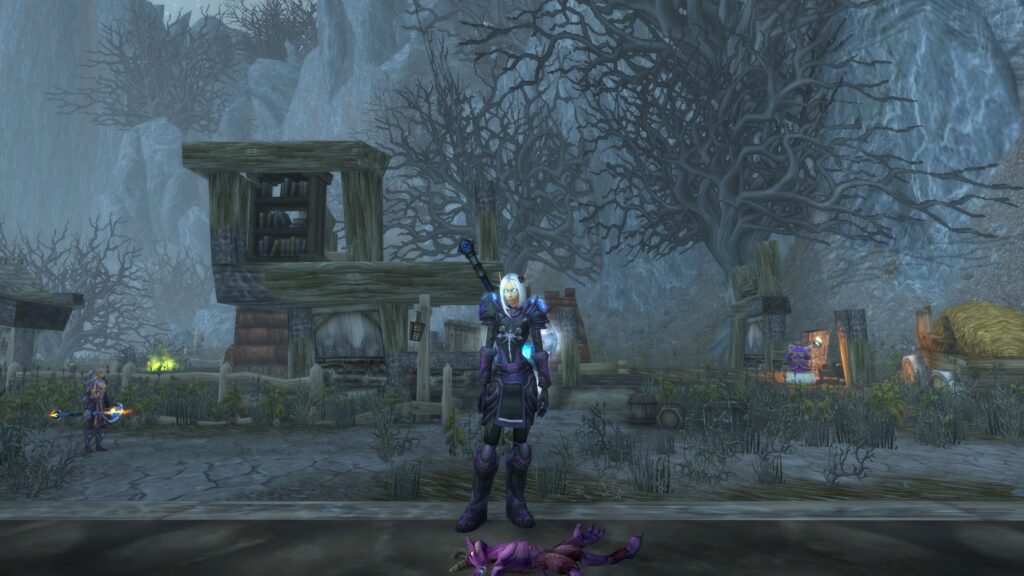
As you explore this topic, it’s crucial to grasp how unused assets, like the Emerald Dream, are discovered. Enthusiasts often sift through game files, searching for any informative banner or clue that hints at what could have been. This process reveals not just the Emerald Dream but also a treasure trove of content that never made it to the live game.
The discovery of such content sparks discussions about the game’s development process and the decisions behind the scenes. It’s a reminder of the vast ambitions developers had for WoW and the practical limitations they faced. So, as you navigate through WoW’s cut content, remember that each unused asset, including the elusive Emerald Dream, tells a story of ambition, creativity, and the complex journey of game development.
Karazhan Crypts Mystery
After investigating the Emerald Dream’s enigmas, let’s shift our focus to another captivating piece of cut content: the Karazhan Crypts, a location shrouded in rumors and speculations. Nestled beneath the eerie spires of Karazhan, these crypts have ignited the imaginations of players for years, becoming a skeletal game of whispers and marvel within the community. Initially meant to be part of the game’s narrative, the Karazhan Crypts remain locked away, accessible only through the game engine’s intricacies or not at all in the current game version.
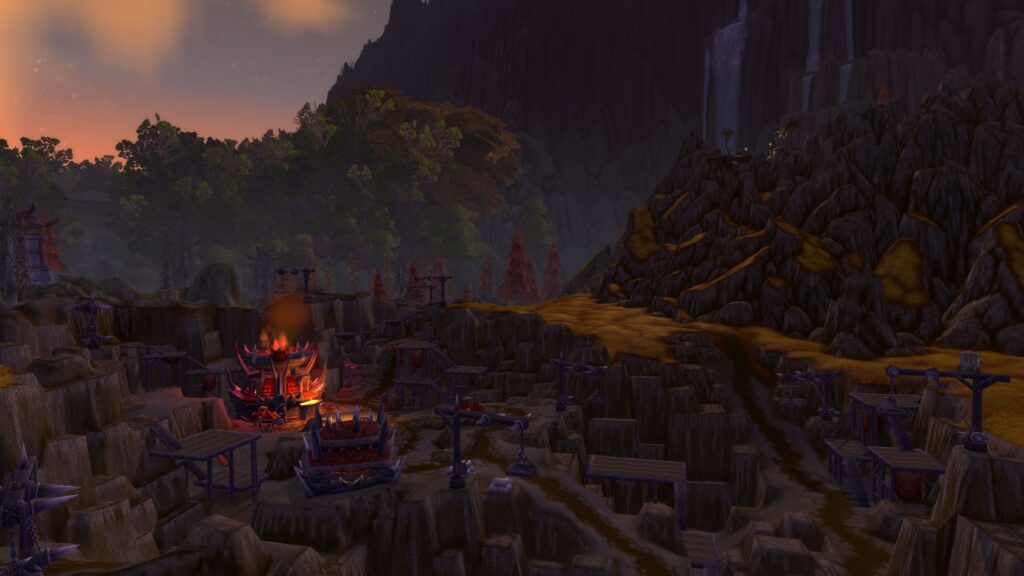
The allure of the Karazhan Crypts isn’t just in their spooky ambiance but in the tales of what they might have contained. Game assets uncovered by brave adventurers suggest that Blizzard had planned extensive content for this area, possibly as a dungeon or a series of quests that never saw the light of day. Despite being part of what some might call World of Warcraft’s worst expansion periods, the crypts represent a captivating ‘what could have been’ in the game’s development history.
To this day, the Karazhan Crypts stand as a reflection of the evolving nature of game design, reminding us of the vast, uncharted territories that lie hidden within the game accessible only by those willing to plunge into the game engine’s depths.
Azshara Crater Battles
You might’ve heard of Azshara Crater Battles, an ambitious PvP battleground concept that never made it into the final version of World of Warcraft. This hidden gem was expected to offer a unique battleground experience, diverging from the traditional formats available at the time. Here’s a breakdown of what made Azshara Crater Battles stand out:
- Location and Lore: Set in the vast, unexplored territories of Azshara, this battleground was to capitalize on the rich lore of the area. Players were to explore ruins and landscapes deeply tied to Azeroth’s history, fighting for control over ancient artifacts and strategic points.
- Gameplay Mechanics: Unlike the capture-the-flag or point-control mechanics of existing battlegrounds, Azshara Crater was rumored to introduce new objectives that would’ve required teams to employ different strategies and adapt to dynamic conditions on the battlefield.
- Development and Cancellation: Despite its potential, development hurdles led to its cancellation. Factors included balancing issues, the complexity of integrating new mechanics, and the shifting priorities of the development team towards other expansions and content updates.
Azshara Crater Battles remains a fascinating ‘what could have been’ in WoW’s history, sparking imagination and speculation among the game’s community.
The Secret of Grim Batol
Shifting our focus to another piece of Warcraft lore, let’s explore the enigmatic Grim Batol, a location shrouded in mystery and untold stories.
You might already know Grim Batol from its later use as a dungeon in World of Warcraft: Cataclysm, but there’s so much more behind its stone walls than just that. Initially, this fortress was meant to play a much larger role in the game. It was envisioned as a bustling hub, filled with quests, NPCs, and untold secrets that players could uncover. However, much of this content was cut before the game’s release, leaving players to wonder about what could have been.
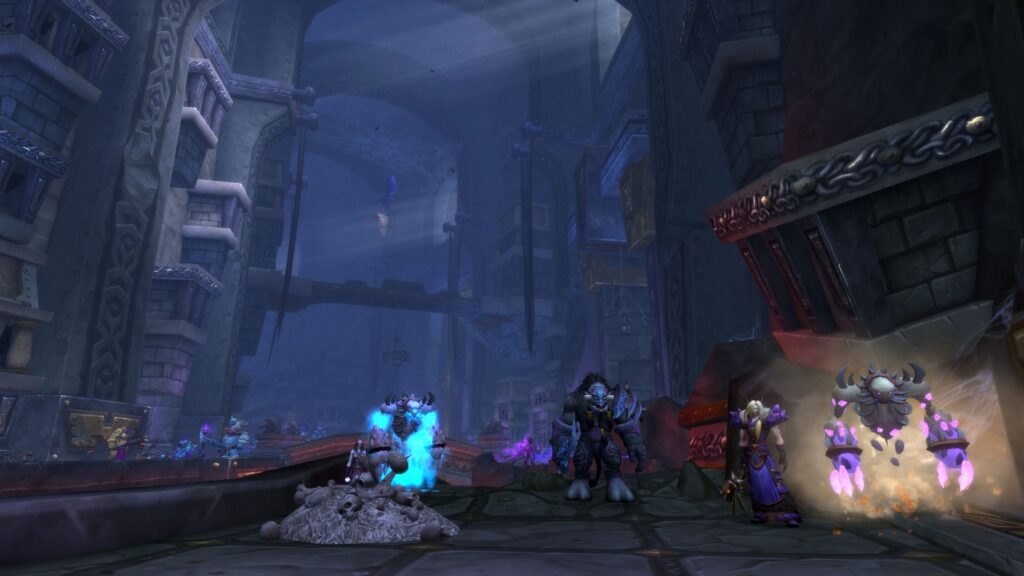
The secrets of Grim Batol are deep and varied. It was supposed to be a key location in the storyline involving the Red Dragonflight, with intricate plotlines that delved deep into the lore of the Warcraft universe. Imagine walking through its halls, uncovering hidden quests that reveal the tragic history of the dragons and their fight against the Dark Iron dwarves. Unfortunately, these plans were shelved, and the fortress remained locked away from player exploration for years.
As you explore the cut content of World of Warcraft, remember that places like Grim Batol hold stories untold and adventures that were never undertaken. It’s a fascinating glimpse into what might have been in the ever-evolving tapestry of this massive game world.
Outlands Unused Zones
Within the vast expanse of Outland lie zones that players have never explored, remnants of Blizzard’s grand designs left on the cutting room floor.
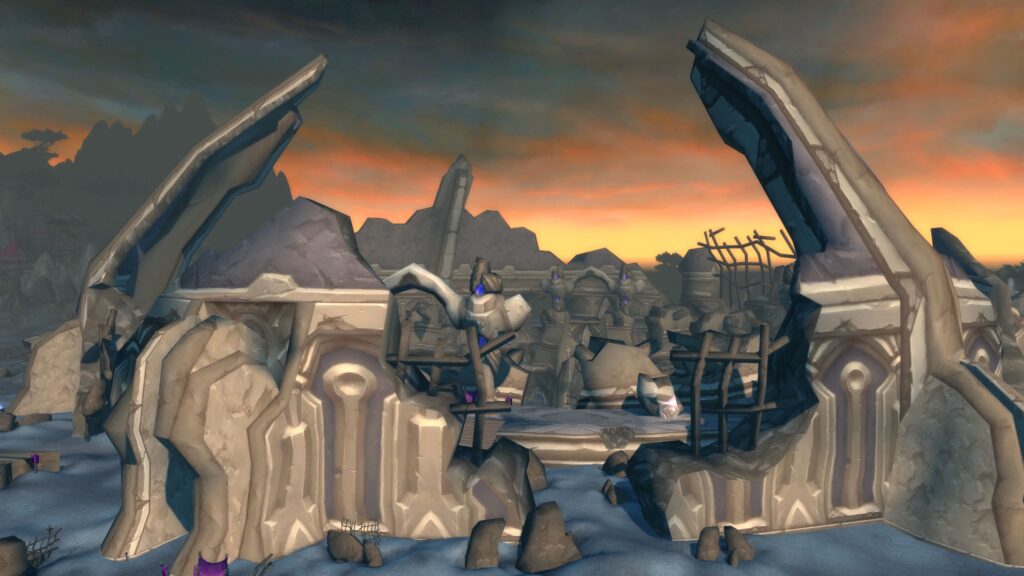
You’ve journeyed through Hellfire Peninsula and soared over Nagrand, but have you ever pondered about the spaces you couldn’t investigate? Let’s explore the mysteries of Outland’s unused zones.
- Farahlon: Initially intended as a part of the Burning Crusade expansion, Farahlon was a lush area akin to Nagrand. It’s speculated that time constraints led to its exclusion. Imagine raiding ancient draenei ruins or battling through vibrant flora against unknown foes.
- The Crypts: Located beneath Auchindoun, The Crypts were supposed to be a dungeon filled with the darkest secrets of the draenei and their ancestors. You’d navigate through eerie corridors, uncovering lore that’s remained hidden.
- Mount Hyjal: Though not technically a part of Outland, an early version of Mount Hyjal was accessible via a glitch in the Burning Crusade. It was a glimpse into what awaited players in future expansions, filled with unfinished quests and environments.
These zones remain as whispers of what could have been, teasing the imagination with possibilities of adventures never experienced.
Frequently Asked Questions
How Has the Discovery of Cut Content in World of Warcraft Affected the Game’s Community and Fan Theories?
Ironically, you’d think uncovering World of Warcraft’s scrapped content would disappoint fans. Yet, it’s fueled wild speculation and enriched community lore, giving gamers endless fodder for crafting theories and reimagining Azeroth’s untold tales.
What Processes Do Developers Go Through When Deciding to Cut Content From World of Warcraft, and How Is This Communicated to the Player Base?
When developers decide to cut content from World of Warcraft, they weigh gameplay impact and resources. Communication to players varies, from official announcements to subtle updates, ensuring you’re kept in the loop on changes.
Are There Any Examples of Cut Content That Were Later Reintroduced or Repurposed in World of Warcraft, and What Led to Those Decisions?
Yes, there are examples, like the dance studio feature, initially promised but cut, then elements were later seen in in-game toys. Players’ persistence and feedback often lead to such content being revisited or repurposed.
How Do Data Miners and Gamers Uncover Hidden or Unused Assets in World of Warcraft, and What Challenges Do They Face?
You’re curious about how gamers and data miners unearth hidden assets in games, right? They dig through game files and code, facing challenges like encryption and potential legal issues to uncover these treasures.
In What Ways Has Cut Content From World of Warcraft Influenced or Inspired Fan-Made Content, Mods, or Unofficial Expansions?
You’ve seen how WoW’s cut content captivates creatives, compelling them to craft custom content, mods, and unofficial expansions. Inspired by what might’ve been, fans fill these gaps, giving life to lost lore and landscapes.
Leave a Reply