


Introduction: A Beginner’s Guide to Raiding in World of Warcraft
Raiding in World of Warcraft is one of the most exciting and challenging aspects of the game, bringing together groups of players to defeat powerful bosses and earn epic rewards. Unlike dungeons, which are designed for five players, raids require 10 to 30 players working together, each with a specific role in overcoming complex boss mechanics.
For new players, stepping into their first raid can feel overwhelming. Terms like tank swaps, positioning, and soak mechanics may be unfamiliar, and understanding raid encounters is crucial for success. Without proper knowledge, players may struggle to contribute effectively, leading to wipes and frustration.
This beginner’s guide to raiding will introduce you to:
✔ The fundamentals of WoW raid mechanics for beginners
✔ Key roles in a raid and how they interact with boss abilities
✔ Essential raid mechanics like tank swaps, positioning, and interrupts
✔ Common mistakes new raiders make and how to avoid them
By the end of this guide, you’ll have a solid understanding of how raid mechanics work, giving you the confidence to participate in any raid, whether on Normal difficulty or even Heroic progression.
Understanding Raid Roles and How They Interact with Mechanics
Before diving into specific raid mechanics, it’s important to understand the three main roles in a raid and how they contribute to handling boss encounters.
1. Tanks: The Frontline Defense
Tanks are responsible for holding the boss’s attention (aggro) and absorbing the most powerful attacks. They interact with mechanics such as:
- Tank Swaps: Many bosses apply stacking debuffs or increasing damage over time, requiring tanks to switch roles at specific moments.
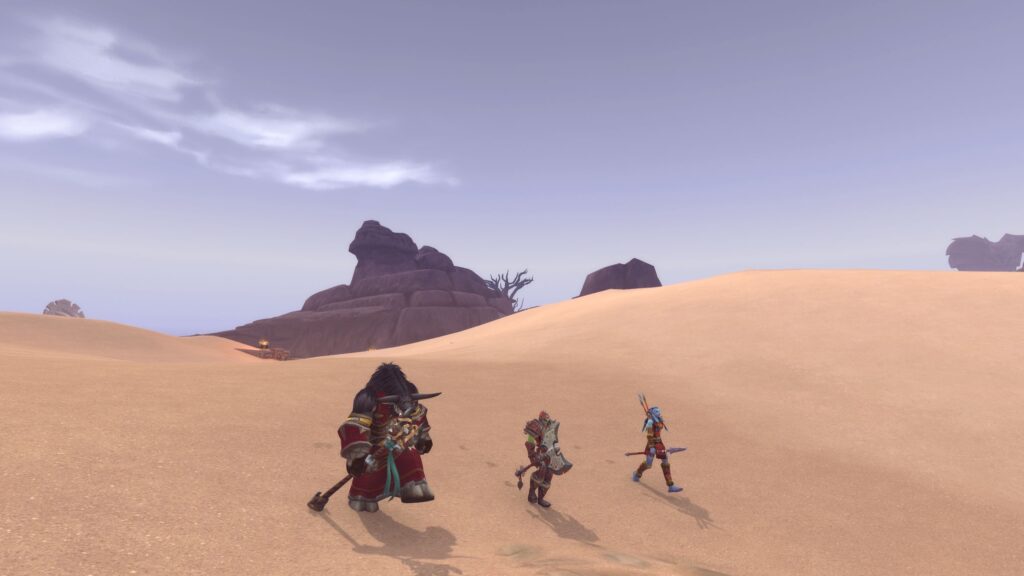
- Positioning the Boss: Some bosses cleave (damage targets in front of them) or have dangerous frontal cone attacks, so tanks must face them away from the raid.
- Mitigating Heavy Damage: Tanks must use defensive cooldowns to survive high-damage abilities.
2. Healers: Keeping the Raid Alive
Healers are responsible for restoring health, dispelling harmful effects, and managing cooldowns to prevent wipes. Their job includes:
- Raid-wide Healing: Some mechanics deal damage to the entire raid, requiring healers to use AoE healing spells.
- Healing Tanks Under Pressure: Tanks take constant damage, so healers must be attentive to their health at all times.
- Dispel Mechanics: Many bosses apply dangerous debuffs that healers must remove immediately.
3. Damage Dealers (DPS): Eliminating the Threat
DPS (damage dealers) are responsible for reducing the boss’s health while handling additional mechanics. DPS players interact with:
- Interrupting Spells: Many bosses cast deadly spells that must be interrupted to prevent major damage.
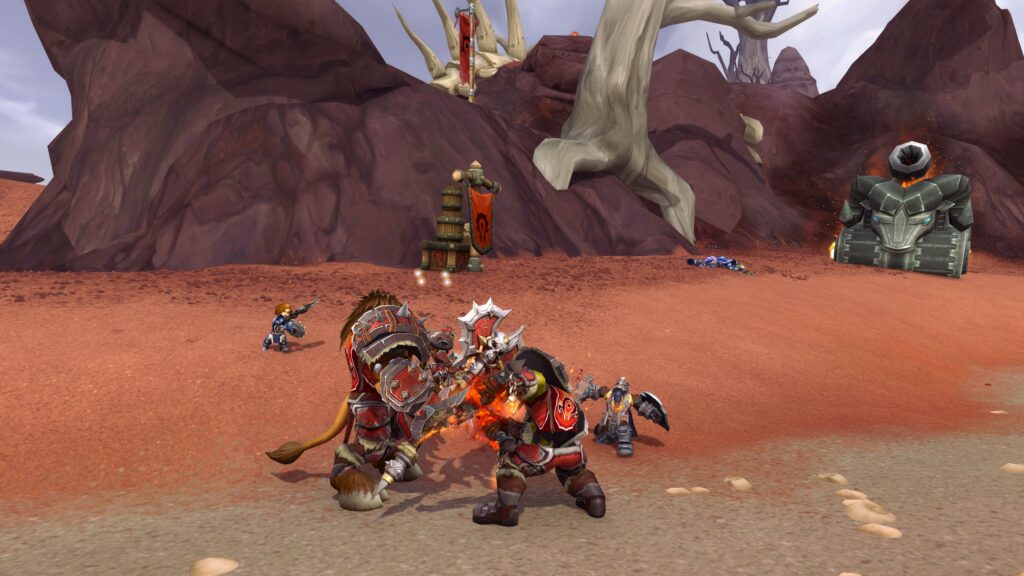
- Managing Adds (Extra Enemies): Some fights require DPS to switch from the boss to adds, preventing them from overwhelming the raid.
- Executing Movement Mechanics: DPS often need to spread out, stack together, or soak damage zones.
Each role has a unique responsibility in every raid encounter, and understanding your role’s interaction with boss mechanics is crucial for success.
Essential Raid Mechanics Every Player Must Know
Boss fights in WoW are designed around specific mechanics that require coordination and quick reactions. While every boss is unique, certain mechanics appear in almost every raid.
1. Tank Swaps: Managing Debuffs and Aggro
Many bosses apply a stacking debuff on the tank, which increases damage taken. If the debuff stacks too high, the tank will die.
- How It Works:
- Tank 1 starts the fight, holding the boss.
- Once the debuff reaches a certain number of stacks, Tank 2 taunts the boss to take over.
- Tank 1 waits for the debuff to fall off before swapping back.
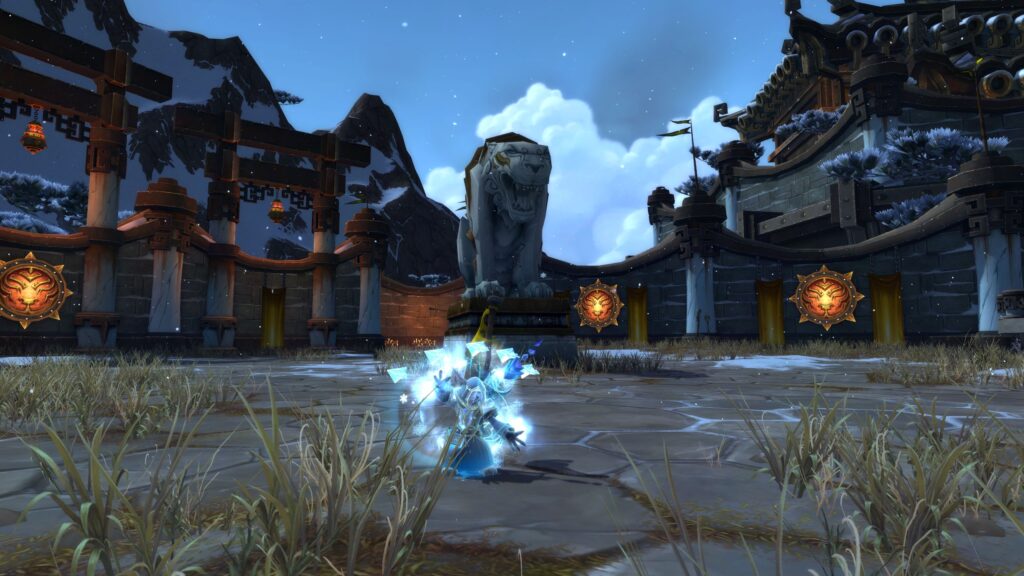
Example:
- Sludgefist (Castle Nathria, Shadowlands) requires frequent tank swaps due to a stacking armor reduction debuff.
Failing to swap tanks properly leads to massive damage spikes and potential wipes.
2. Positioning: Standing in the Right Place
Proper positioning is one of the most important skills in raiding. Bosses use area-based attacks, and players must be aware of their location at all times.
- Spread Out Mechanics: Some bosses target random players with AoE explosions, requiring the raid to spread apart to minimize damage.
- Stack Mechanics: Other bosses require players to group up to split incoming damage.
- Avoiding Frontal Attacks: Many bosses use cleaves or frontal cone attacks, so DPS and healers should never stand in front of the boss.
Example:
- Sylvanas Windrunner (Sanctum of Domination, Shadowlands) forces players to constantly reposition to avoid deadly arrows and ground hazards.
Mastering positioning in raids reduces unnecessary deaths and makes mechanics much easier to handle.
3. Soak Mechanics: Taking Shared Damage
A soak mechanic occurs when a boss casts an ability that requires several players to stand inside a designated area to split the damage.
- If not enough players soak, the damage becomes lethal.
- Some mechanics apply stacking debuffs, meaning different players must rotate soaks each time.
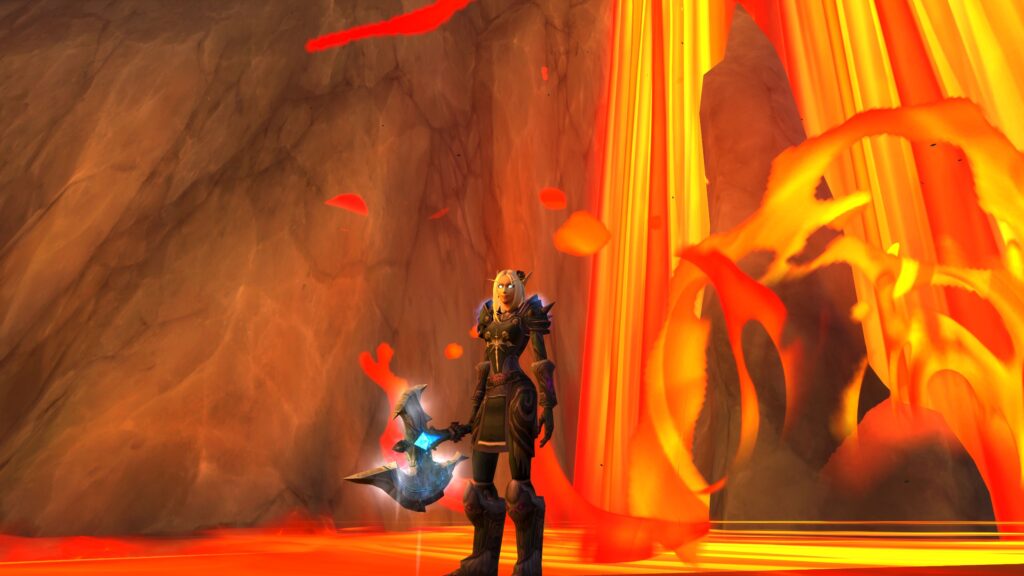
Example:
- Argus the Unmaker (Antorus, Legion) has a Soul Bomb mechanic that requires specific players to soak the explosion or the raid dies.
Reacting quickly to soak mechanics ensures the entire group survives heavy-hitting abilities.
4. Interrupts: Stopping Dangerous Boss Abilities
Many bosses and adds cast spells that must be interrupted, or they will deal devastating damage to the raid.
- DPS and tanks must coordinate interrupts so abilities never complete.
- Some fights require an interrupt rotation, where multiple players take turns stopping casts.
Example:
- Mythic Jaina (Battle of Dazar’alor, Battle for Azeroth) requires perfect interrupt timing to prevent raid-wide frost explosions.
Ignoring interrupts often leads to wipes, making them one of the most critical raid mechanics.
Common Mistakes New Raiders Make (And How to Avoid Them)
1. Standing in Avoidable Damage (“Don’t Stand in the Fire!”)
- Many wipes happen because players fail to move out of dangerous ground effects.
- Solution: Always be aware of red circles, void zones, and boss animations that indicate an incoming attack.
2. Ignoring Raid Warnings and Timers
- Boss mods (DBM/BigWigs) provide clear warnings, but some players don’t react fast enough.
- Solution: Keep raid timers visible and position yourself early before mechanics trigger.

3. Poor Communication and Not Following Assignments
- Raiding is a team effort, and ignoring callouts leads to avoidable deaths.
- Solution: Always listen to raid leaders and ask questions if you’re unsure about your role.
4. Not Using Defensive Cooldowns
- Every class has personal defensive cooldowns, but many new players forget to use them.
- Solution: Learn when to time your defensives to reduce incoming damage.
Avoiding these common mistakes will make you a more reliable raider and help your team progress faster.
Now that we’ve covered the core WoW raid mechanics for beginners, it’s time to take your raiding skills to the next level. As you progress beyond Normal mode into Heroic and Mythic difficulty, encounters become more punishing and require near-perfect execution.
This section will explore:
✔ How raid mechanics evolve from Normal to Mythic
✔ Advanced movement mechanics and reaction-based gameplay
✔ Cooldown management and damage optimization
✔ Developing raid awareness to anticipate mechanics before they happen
By understanding these higher-level mechanics, you’ll become a more skilled raider, ready to tackle even the most challenging bosses in World of Warcraft.
How Raid Mechanics Scale from Normal to Heroic to Mythic
Many players underestimate the difficulty jump from Normal to Heroic, assuming that higher numbers are the only difference. However, Mythic difficulty introduces entirely new mechanics, requiring flawless execution and raid-wide coordination.
1. Normal Mode – The Learning Phase
- Bosses have their basic mechanics but are more forgiving.
- Raid-wide damage is manageable, and mistakes are recoverable.
- Fewer movement requirements, allowing players to focus on mechanics.
2. Heroic Mode – Increased Complexity
- Mechanics hit significantly harder, and failing to execute them correctly leads to raid wipes.
- Tank swaps become stricter, requiring precise taunting and cooldown usage.
- More debuffs and individual responsibilities, forcing players to react quickly.
3. Mythic Mode – Unforgiving Execution
- New mechanics are introduced, requiring players to learn entirely new strategies.
- Tighter DPS checks and healing requirements, meaning every player must perform at peak efficiency.
- More movement-intensive fights, where positioning mistakes cause instant wipes.
Example: Sylvanas Windrunner (Sanctum of Domination, Shadowlands)
- Normal Mode: Basic platforming and spread mechanics.
- Heroic Mode: More phase transitions and additional debuffs to manage.
- Mythic Mode: Entirely new platform mechanics and high-movement requirements, requiring near-perfect execution.
Understanding these difficulty jumps prepares you for Heroic and Mythic progression without feeling overwhelmed.
Advanced Movement Mechanics and Reaction-Based Gameplay
Movement is one of the biggest differences between casual and high-end raiders. Many fights require precise movement to dodge abilities, soak mechanics, or reposition effectively.
1. Dodging Abilities in Real-Time
- Raid bosses often use cone or line attacks that require instant movement.
- Solution: Always keep an eye on boss cast timers and positioning indicators.
- Example: Raszageth (Vault of the Incarnates, Dragonflight) requires players to constantly move while avoiding high-damage zones.
2. Movement While Maintaining DPS and Healing
- Many new raiders stop casting when moving, leading to DPS and healing losses.
- Solution: Learn how to use instant-cast abilities and reposition without losing uptime.
3. Anticipating Mechanics Before They Happen
- The best raiders don’t react—they anticipate.
- By watching boss timers and pre-positioning, you can avoid last-second scrambling.
Mastering movement mechanics ensures that you survive longer, deal more damage, and contribute more effectively to the raid.
Cooldown Management: Using Abilities at the Right Time
Many players use their powerful cooldowns randomly, reducing their overall effectiveness. In high-end raiding, coordinating cooldowns properly is crucial for success.
1. Defensive Cooldowns: Reducing Incoming Damage
- Every class has personal defensive cooldowns that mitigate big damage spikes.
- Solution: Use defensive abilities before high-damage phases, not after.
- Example: Tanks should time their cooldowns with tank-buster mechanics, like Heavy Smash from Sludgefist (Castle Nathria, Shadowlands).
2. Healing Cooldowns: Rotations for Raid Survival
- Healers should stagger major healing cooldowns instead of overlapping them.
- Solution: Assign specific healing cooldowns for each major damage event.
- Example: Using Spirit Link Totem (Shaman) and Barrier (Priest) together is wasteful—instead, time them for separate phases.
3. DPS Cooldowns: Maximizing Damage Windows
- Stacking burst cooldowns together results in higher DPS.
- Solution: Sync your cooldowns with raid-wide damage boosts like Bloodlust or boss vulnerability phases.
- Example: On The Jailer (Sepulcher of the First Ones, Shadowlands), saving cooldowns for execute phase significantly boosts kill potential.
Proper cooldown usage leads to smoother fights, fewer wipes, and higher overall raid efficiency.
Developing Raid Awareness: Becoming a More Skilled Player
One of the most important aspects of raiding is awareness—the ability to track multiple mechanics simultaneously and react accordingly. Many beginner raiders struggle with tunnel vision, where they focus only on their damage rotation instead of the entire encounter.
1. Tracking Multiple Mechanics at Once
- Many fights require players to handle personal mechanics while still DPSing or healing.
- Solution: Use WeakAuras to track debuffs, allowing you to focus on mechanics without losing damage uptime.
- Example: On Sire Denathrius (Castle Nathria, Shadowlands), players must keep DPS uptime while dodging deadly beams.
2. Watching Boss Timers to Pre-Position
- Anticipate movement before mechanics happen by watching DBM or BigWigs timers.
- Solution: Always move slightly before a mechanic occurs, rather than reacting at the last second.
3. Using Camera Angles to Improve Visibility
- Many new raiders struggle because they play with their camera too close.
- Solution: Zoom out fully using the command:
/console cameraDistanceMaxZoomFactor 2.6 - This helps you see mechanics and dodge faster.
By developing strong raid awareness, you will react faster, survive longer, and perform better overall.
Common High-End Raid Mistakes and How to Fix Them
Even experienced raiders make avoidable mistakes that lead to wipes. Here are some of the most common errors and how to prevent them.
1. Ignoring Personal Defensive Abilities
- Many deaths happen because players don’t use their defensive cooldowns.
- Solution: Track your defensives and use them before major boss mechanics.
2. Not Moving in Time for Mechanics
- Delaying movement until the last second leads to mistakes.
- Solution: Always pre-position when possible.
3. Not Paying Attention to Add Priority
- Many fights require killing adds before damaging the boss.
- Solution: Always follow kill priority assignments from raid leaders.
Avoiding these mistakes will greatly improve your performance and contribution to the raid team.
Final Thoughts: Becoming a High-Level Raider
Mastering WoW raid mechanics for beginners is just the first step. As you progress into Heroic and Mythic difficulties, understanding movement mechanics, cooldown usage, and raid awareness becomes even more crucial.
Key Takeaways for Advanced Raiding:
✔ Learn how raid mechanics evolve from Normal to Mythic.
✔ Master movement-based mechanics to avoid avoidable deaths.
✔ Time your cooldowns properly for maximum raid efficiency.
✔ Develop strong raid awareness to anticipate mechanics.
By applying these strategies, you’ll transform from a beginner raider into a competitive, high-level player.
What’s the biggest challenge you’ve faced in raiding? Let’s discuss strategies to improve! 🚀
Leave a Reply