

Introduction: The Ever-Changing World of WoW Raiding
For nearly two decades, World of Warcraft (WoW) has captivated millions of players with its challenging and immersive raid encounters. From the early days of Molten Core, where guilds spent hours coordinating 40-player boss fights, to the modern, cinematic Nerub’ar Palace, where mechanics demand quick reflexes and strategic execution, the evolution of WoW raids has been nothing short of remarkable.
Raids have always been the pinnacle of endgame content, offering the best loot, deepest lore, and toughest challenges. Over time, Blizzard has continuously refined raid design, making them more accessible yet complex, ensuring that both casual and hardcore players can experience epic battles against legendary bosses.
In this article, we’ll explore the full WoW raid history, breaking down the changes in WoW raids, the introduction of new raid mechanics, and how raid progression in WoW has evolved from brutal, time-consuming marathons to highly polished, multi-tiered challenges.
Classic WoW (2004-2006): The Birth of Raiding and the 40-Player Experience
Molten Core: The First Test of Coordination and Stamina
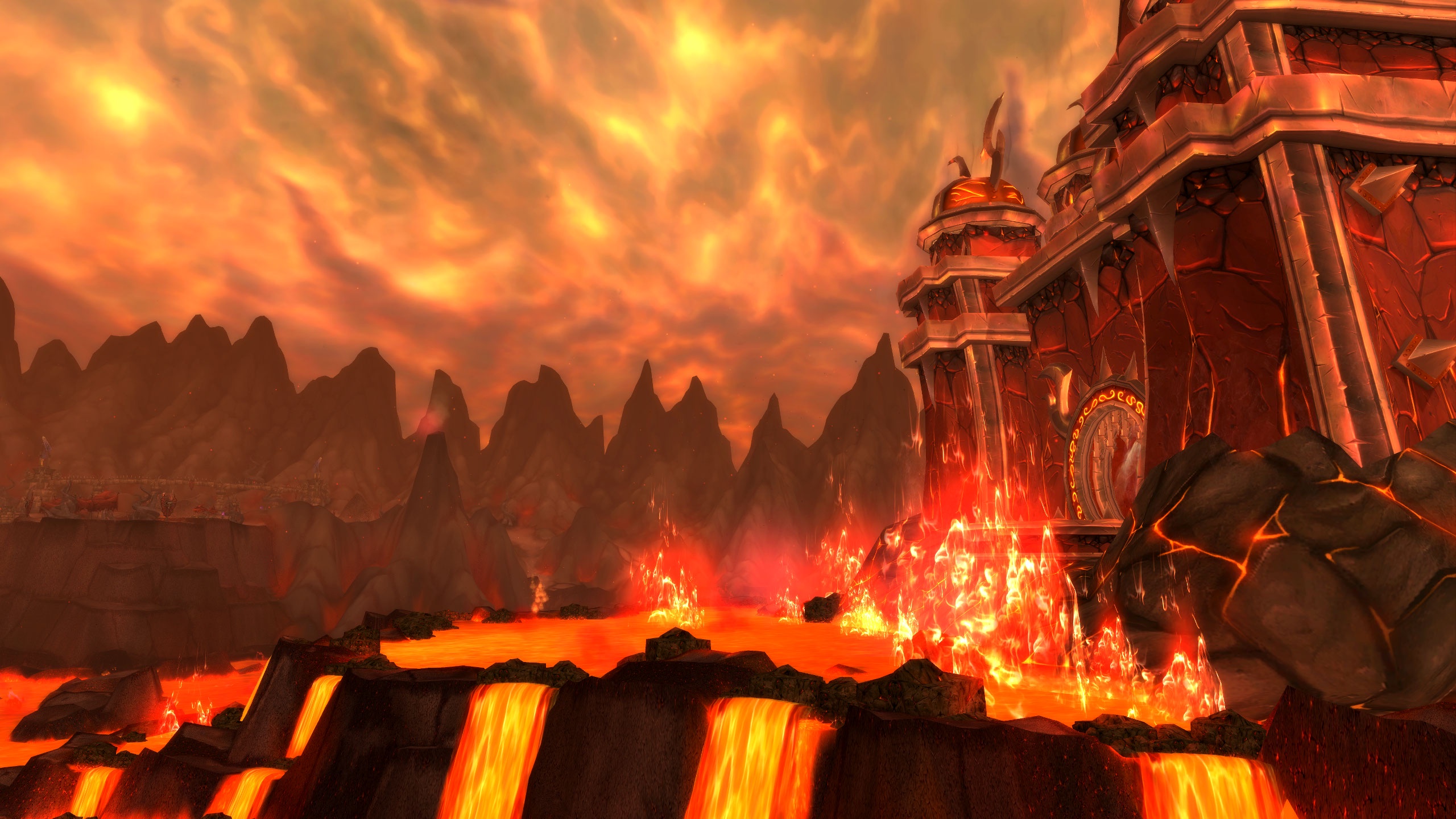
When WoW first launched, raiding was an enormous undertaking, requiring dozens of players, extensive preparation, and relentless dedication. The first-ever endgame raid, Molten Core, introduced the concept of large-scale PvE battles, where 40 players had to work together to take down 10 powerful bosses.
Boss fights in Molten Core were mechanically simple, often focusing on resistance-based fights where players needed specific gear to survive. However, despite its simplicity, Molten Core was a gruelling test of patience and coordination. Guilds spent weeks farming fire-resistant gear, while the final boss, Ragnaros, became one of the most iconic raid encounters in gaming history.
Blackwing Lair & Ahn’Qiraj: Complexity Begins to Emerge
As players mastered Molten Core, Blizzard pushed raid design forward with Blackwing Lair (BWL) and Ahn’Qiraj (AQ40). These raids introduced:
- More intricate boss mechanics (e.g., Chromaggus’ debuff rotations).
- Pre-raid attunements, requiring players to complete long questlines before entry.
- Faction-wide events, such as the Ahn’Qiraj War Effort, where players collaborated to unlock the raid.
By the time Classic WoW ended, Naxxramas (40-man) had become the hardest raid in the game’s history, with only a small fraction of guilds ever completing it before The Burning Crusade launched.
The Burning Crusade (2007-2008): Refining Raid Structures and Shrinking Group Sizes
Introducing 25-Player and 10-Player Raids
The Burning Crusade made a fundamental change to WoW raid history by reducing raid sizes from 40 players to 25 players for standard raids. This made raiding more manageable and less dependent on massive guilds, improving raid progression in WoW.
At the same time, Blizzard introduced 10-player raids like Karazhan, a fan-favorite instance that emphasized detailed storytelling and smaller, more intimate encounters. This paved the way for future flex raiding innovations.
Black Temple & Sunwell Plateau: Raising the Bar on Challenge and Lore
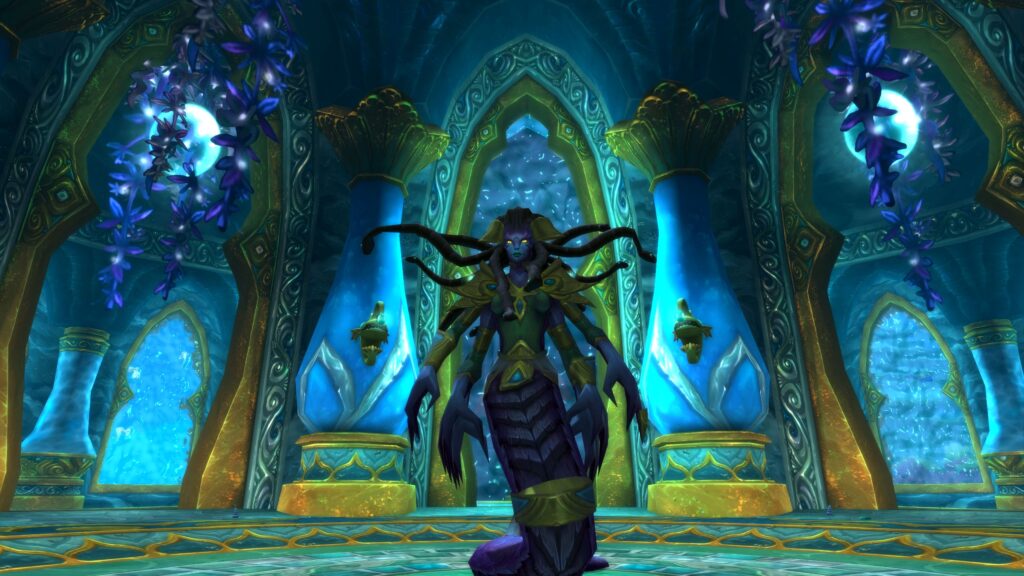
Raids in The Burning Crusade weren’t just about boss fights—they were deeply integrated into the storyline. The Black Temple raid, featuring Illidan Stormrage, was one of the most anticipated raids in gaming history.
Meanwhile, Sunwell Plateau introduced:
- Pre-raid attunement quests, ensuring only the most dedicated players could enter.
- Exceptionally tight DPS and healing checks, making it one of the most unforgiving raids ever created.
- The Kil’jaeden fight, which showcased some of the best raid cinematics of the time.
Wrath of the Lich King (2008-2010): The Rise of Accessibility and Flexibility
Ulduar & The Introduction of Hard Modes
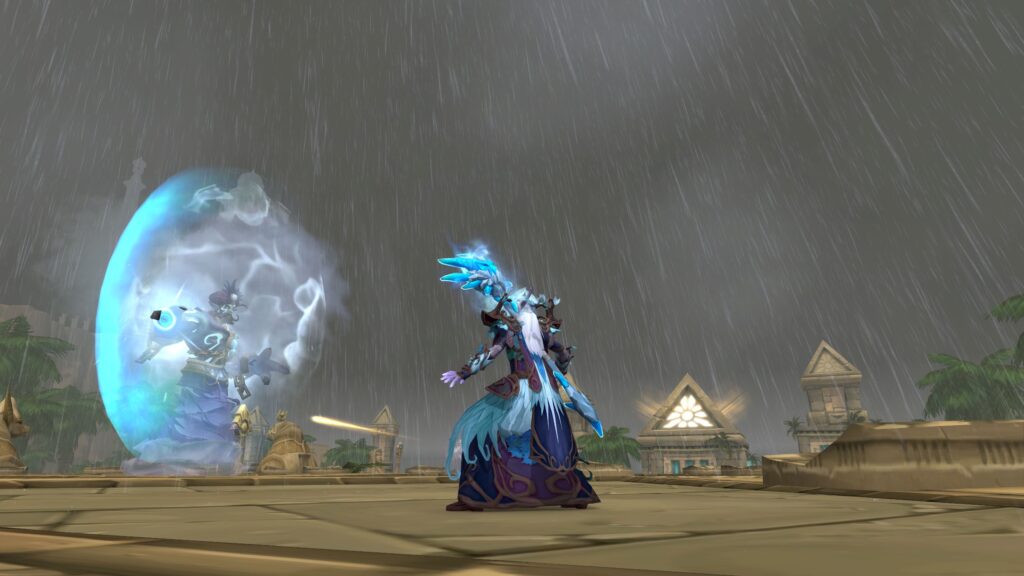
One of the most beloved raids in WoW history, Ulduar, changed raid difficulty forever by introducing Hard Modes. Instead of selecting difficulty beforehand, players could activate Hard Modes in real-time by interacting with the encounter differently.
This system:
- Increased replayability, giving guilds reasons to return for greater challenges.
- Laid the foundation for Heroic & Mythic difficulties, which would later become standard.
- Created one of the most legendary fights—Algalon, a secret boss that required defeating every other Hard Mode first.
Icecrown Citadel: A Cinematic Masterpiece
The expansion’s final raid, Icecrown Citadel (ICC), set the standard for epic, multi-phase final boss encounters.
The fight against Arthas, the Lich King, remains one of the most emotionally powerful and well-designed fights in WoW history.
Key innovations:
- Progressive raid difficulty, where a raid-wide buff increased over time to help struggling guilds.
- A fully voiced final boss fight, making the battle feel personal.
Mists of Pandaria (2012-2014): The Dawn of Flexible Raiding
Mists of Pandaria (MoP) brought one of the most transformative changes in WoW raid history—the introduction of Flexible Raid Sizes, which allowed groups to dynamically scale between 10 and 25 players. Before MoP, raids had fixed sizes, meaning that if a guild was missing players, they either couldn’t raid at all or had to find replacements. With Flex Raiding, this problem was eliminated, making raiding more accessible to casual and semi-hardcore groups.
The flexibility system first appeared in Siege of Orgrimmar, the final raid of the expansion. Players could enter with any group size (between 10 and 25), and the boss health, mechanics, and loot adjusted accordingly. This system allowed guilds to raid without strict roster requirements, ensuring that players weren’t locked out of content if someone was absent.
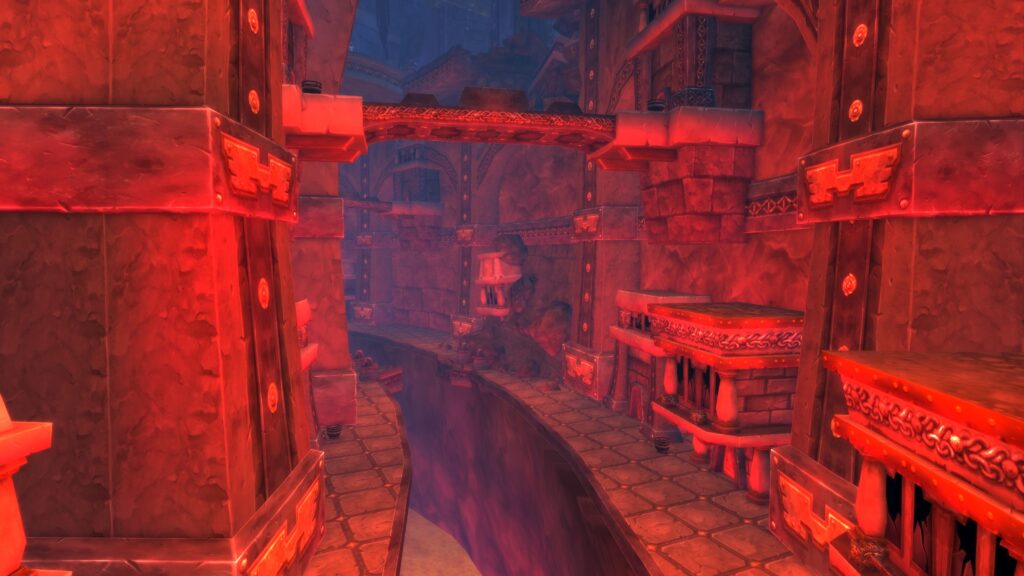
Aside from Flex Raiding, MoP also introduced some of the most beloved raids in WoW history:
- Throne of Thunder (ToT): A massive, 13-boss raid featuring Lei Shen, the Thunder King, with an epic aesthetic and intricate fights.
- Siege of Orgrimmar (SoO): A 14-boss raid spanning multiple locations, culminating in a multi-phase battle against Garrosh Hellscream.
Additionally, MoP brought back legendary questlines tied to raiding, with the Cloak of Ordos, a raid-wide legendary cloak that provided special visual effects and powerful stat bonuses. This expansion was crucial in shaping the modern raid structure, ensuring that players of all skill levels and group sizes could participate in endgame PvE content.
Warlords of Draenor (2014-2016): The Introduction of Mythic Raiding
While Mists of Pandaria focused on accessibility, Warlords of Draenor (WoD) took the opposite approach, introducing Mythic Raiding, a fixed 20-player difficulty mode designed exclusively for hardcore players. This was one of the biggest changes in WoW raids, as it replaced the previous Heroic mode as the new top-tier challenge.
Before WoD, high-end raids had multiple size options (10-man Heroic and 25-man Heroic). However, balancing fights for both raid sizes was difficult for Blizzard, often making one size significantly easier than the other. By making Mythic a fixed 20-player mode, Blizzard was able to:
- Design more intricate mechanics, knowing that every group had exactly 20 players.
- Eliminate balance issues between different raid sizes.
- Increase the prestige of high-end raiding, as only the most coordinated teams could clear Mythic content.
WoD had three major raids:
- Highmaul: The first raid of the expansion, which set the stage for the Ogre Empire and featured Kargath Bladefist as the opening boss.
- Blackrock Foundry: A fan-favorite raid featuring Blackhand, with fights involving multiple floors and environmental destruction.
- Hellfire Citadel: The final raid, culminating in a multi-phase battle against Archimonde, one of Warcraft’s most infamous demons.
Although Mythic Raiding was a huge success for the competitive PvE community, WoD was heavily criticized for its long content droughts—players were stuck in Hellfire Citadel for over a year without new content. This led Blizzard to rethink their raid release strategy in future expansions.
Legion (2016-2018): The Era of Multiple Raids Per Tier
After the failures of WoD, Blizzard sought to make Legion the most content-packed expansion yet, and this included a record-breaking number of raids. Instead of having long gaps between raids, Legion introduced multiple raids per content tier, keeping the game fresh and engaging throughout its lifespan.
Unlike previous expansions, which usually had only two or three major raid tiers, Legion had five full raids:
- Emerald Nightmare – The first raid, set in a corrupted version of the Emerald Dream, featuring the corruption of Cenarius and a climactic fight against Xavius.
- Trial of Valor – A mini-raid that tied into the story of Odyn and Helya, providing interim content before the next tier.
- The Nighthold – One of the best-designed raids in WoW history, featuring Gul’dan as the final boss and introducing mechanics that blended lore and gameplay seamlessly.
- Tomb of Sargeras – A dark, atmospheric raid that brought Kil’jaeden back as a major boss fight, complete with an interdimensional battle phase.
- Antorus, the Burning Throne – The final raid, where players assaulted the Burning Legion’s homeworld, culminating in the imprisonment of Sargeras himself.
Legion also revolutionized loot systems, introducing Titanforging, a controversial mechanic where gear had a chance to upgrade to higher item levels, increasing the longevity of raid rewards. However, this system was criticized for adding too much randomness to gear progression.
Overall, Legion is regarded as one of the best expansions for raiding, as it delivered constant new content, ensuring that players never experienced a content drought like in WoD.
Battle for Azeroth (2018-2020): Faction-Specific Raiding and Storytelling Innovation
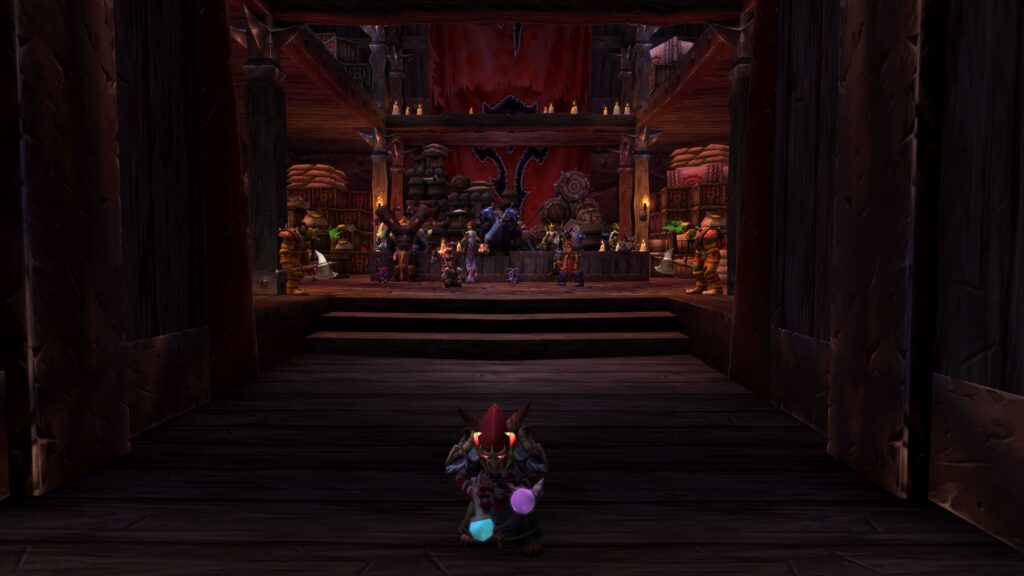
Battle for Azeroth (BfA) experimented heavily with raid storytelling, especially in Battle of Dazar’alor, which introduced faction-specific encounters. This was unprecedented in WoW raid development, as players could experience the raid from both the Alliance and Horde perspectives.
For example:
- Horde players fought Jaina Proudmoore as the final boss, experiencing an Alliance naval invasion firsthand.
- Alliance players fought King Rastakhan, learning about the Zandalari perspective before continuing into Horde territory.
Aside from Dazar’alor, BfA had several other major raids:
- Uldir: A Titan laboratory raid featuring G’huun, an Old God-like creature.
- Crucible of Storms: A small raid with deep Old God lore, setting up Shadowlands.
- The Eternal Palace: A massive underwater-themed raid, where players fought Queen Azshara.
- Ny’alotha, the Waking City: The final raid, featuring the end of N’Zoth’s storyline, although many players found his defeat anticlimactic.
While BfA experimented heavily with raid structure and storytelling, it was not as well received as Legion, mainly due to issues with the Azerite armor system and a lack of meaningful player agency.
Shadowlands (2020-2022): Experimental Mechanics and Delayed Releases
Shadowlands was one of the most controversial expansions, especially regarding its raid release schedule. The expansion’s final raid, Sepulcher of the First Ones, had an unusual delayed boss rollout, where some bosses were locked behind time gates, leading to frustration.
The expansion’s raids included:
- Castle Nathria: A beautiful gothic-style raid featuring Sire Denathrius, a villain that became a fan favorite.
- Sanctum of Domination: Featuring Sylvanas Windrunner, though the fight’s ending felt underwhelming.
- Sepulcher of the First Ones: The Jailer’s final battle, which many found disappointing due to weak storytelling.
While the raids themselves were mechanically innovative, Shadowlands suffered from player burnout due to time-gated systems and lack of engaging rewards.
Dragonflight (2022-2024): A Return to Classic Design and Player Agency
After the controversial systems of Shadowlands, Blizzard approached Dragonflight with a renewed focus on player freedom, open-ended progression, and a return to classic raid philosophies. Instead of relying on overly complex borrowed power systems (such as Covenants and Azerite Traits), Dragonflight stripped things back to core class gameplay, allowing raids to shine without external grind mechanics dictating player strength.
One of the most notable improvements in WoW raid development during Dragonflight has been the return of thematic, high-quality raid storytelling, with each raid strongly tied to the overarching narrative of the expansion. Unlike previous expansions, where final bosses were often introduced late in the story, Dragonflight set up its major villains early, giving players a clear sense of purpose and narrative stakes.
The expansion’s raids so far include:
Vault of the Incarnates: The Primalist War Begins
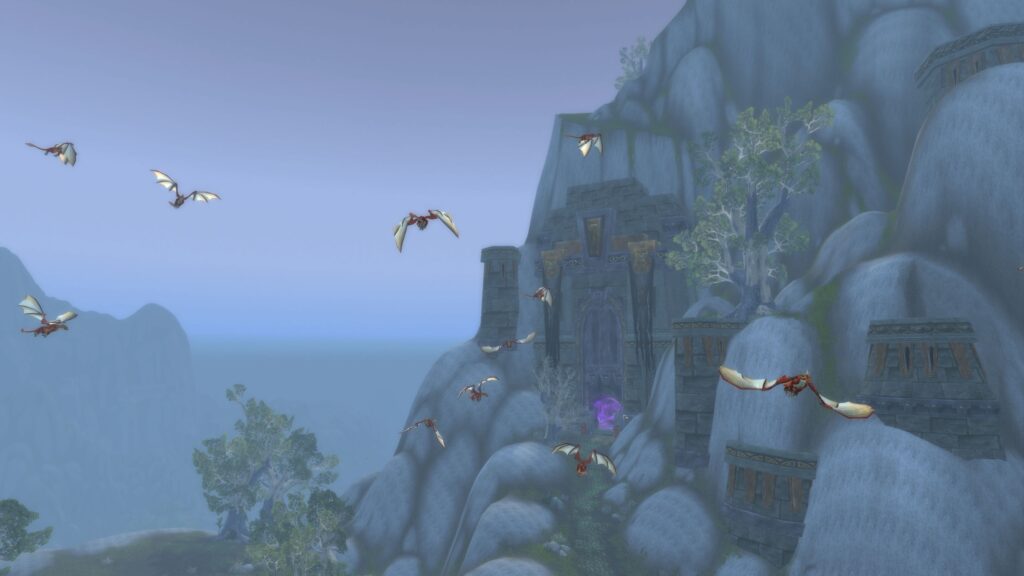
Vault of the Incarnates was Dragonflight’s first raid, introducing Raszageth, the first of the Primal Incarnates—ancient elemental dragons seeking revenge against the Titans. The raid:
- Brought back larger, open environments, similar to Ulduar.
- Featured high-mobility fights, requiring strong raid coordination.
- Introduced new mechanics that rewarded skilled movement and positioning, a departure from the static fights of Shadowlands.
Raszageth’s final encounter was praised for being mechanically engaging, requiring both precise execution and teamwork, setting a high standard for Dragonflight raiding.
Aberrus, the Shadowed Crucible: The Legacy of Neltharion
Aberrus explored the hidden laboratory of Neltharion (Deathwing), diving deeper into his experiments and corruption. This raid:
- Expanded the lore of the Black Dragonflight, making it a central focus of the story.
- Introduced some of the most mechanically complex bosses, like Echo of Neltharion, which changed the raid layout mid-fight.
- Offered a perfect blend of nostalgia and new mechanics, making it a fan-favorite among long-time players.
Amirdrassil, the Dream’s Hope: The Fate of the World Tree
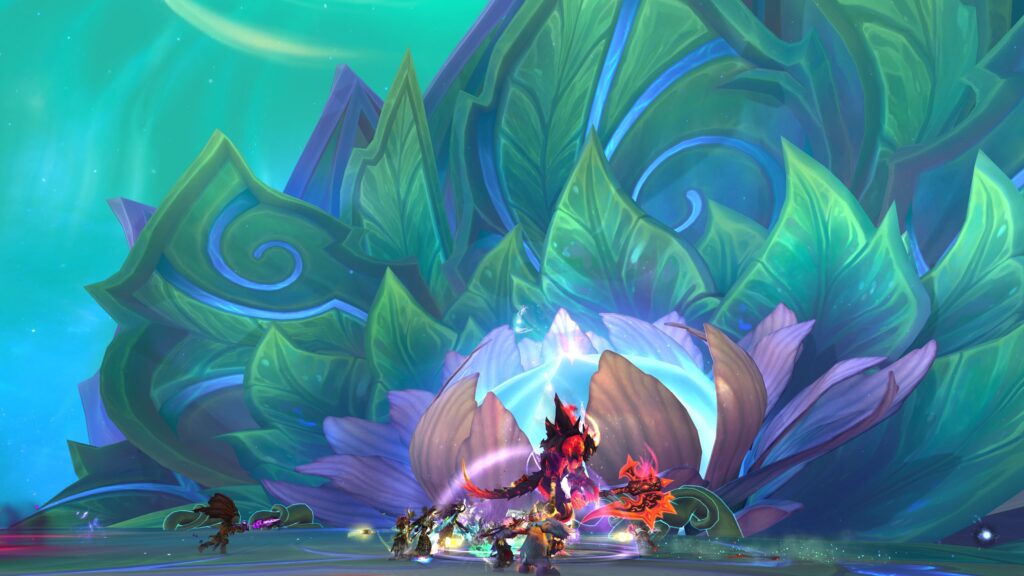
The final raid of Dragonflight, Amirdrassil, the Dream’s Hope, showcased the rebirth of the World Tree and the culmination of the Primal Incarnates’ storyline. Players faced Fyrakk the Blazing, an incredibly powerful elemental-infused dragon who sought to consume the renewed World Tree’s energy.
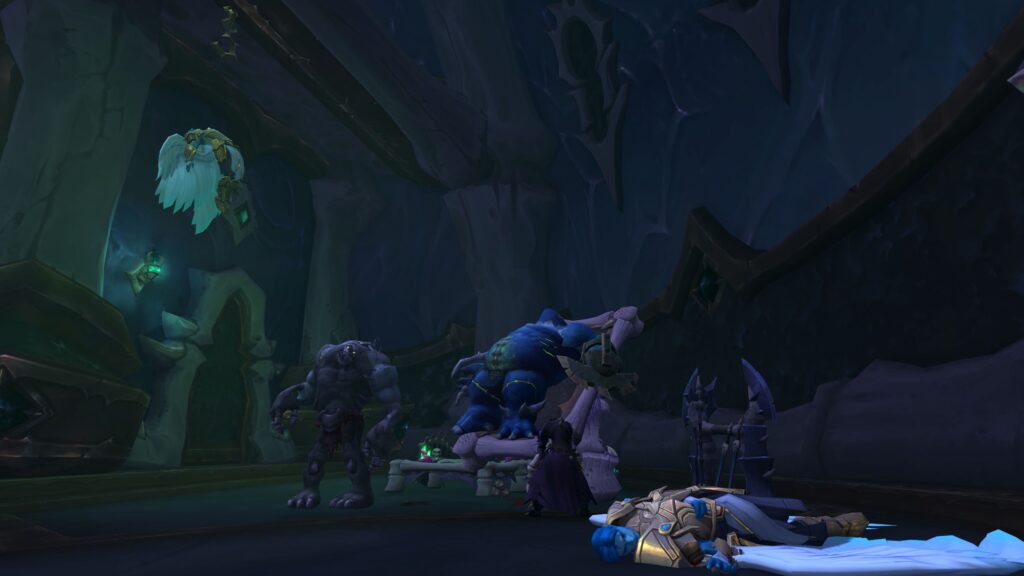
This raid was notable for:
- A stunning Emerald Dream aesthetic, with lush environments shifting over time.
- A high-stakes narrative, where players defended the future of Azeroth.
- Dynamic movement mechanics, making the final boss one of the most visually engaging fights in recent memory.
A Shift in Raid Philosophy: Letting Players Play How They Want
Unlike Shadowlands, which had rigid time-gated progression, Dragonflight has let players engage with content at their own pace. Raids were not delayed artificially, and gear progression was more straightforward, making the experience less frustrating for casual and hardcore players alike.
With The War Within on the horizon, Blizzard has set the stage for the next evolution of WoW raids, continuing to refine their balance of accessibility, challenge, and narrative depth.
The War Within (2024-Present): The Future of WoW Raiding
Nerub’ar Palace & The Underground Raiding Concept
With The War Within, Blizzard is taking WoW raid development to new heights by introducing Nerub’ar Palace, the first fully underground, spider-themed raid.
Key expected features:
- More dynamic environments, where raid progression alters the landscape.
- Delves, a new PvE mode that complements raiding.
Conclusion: How Have WoW Raids Changed Over Time?
The evolution of WoW raids has taken us from 40-player grinds in Molten Core to story-driven, highly cinematic raids like Nerub’ar Palace. Blizzard has consistently balanced challenge, accessibility, and innovation, ensuring raids remain a core reason players return to WoW.
As The War Within approaches, one thing is clear—WoW raid history is far from over, and its future looks brighter than ever.
Leave a Reply