

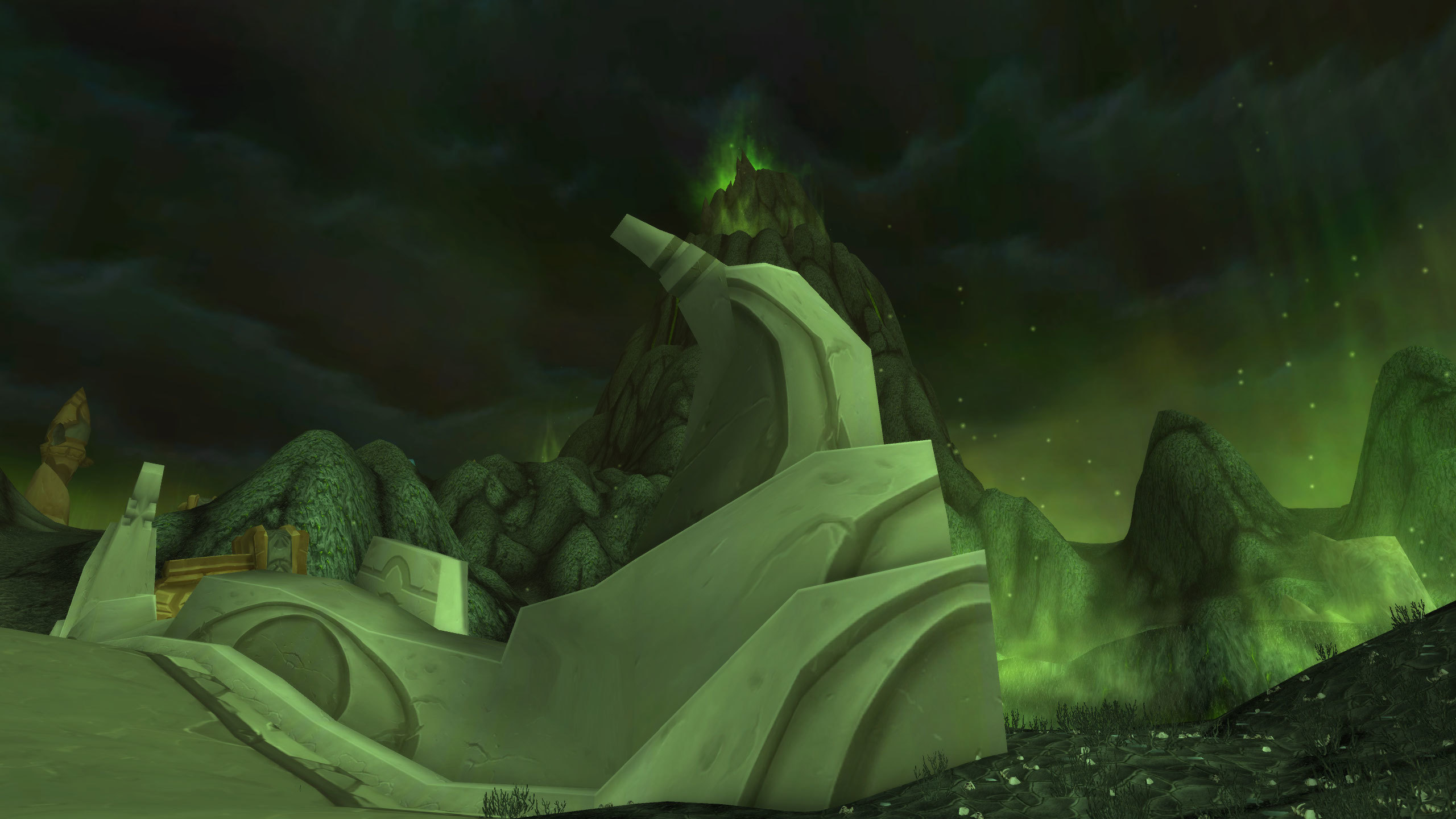
Elemental magic has always been more than combat flavor — it is a symbolic thread that runs through the world’s mythology. Fire, ice, and storm magic embody ancient forces that shaped civilizations, destroyed empires, and transformed the fate of entire continents. These elements carry emotional weight, cultural meaning, and spiritual power that resonate across generations of stories.
This article explores why these three elemental forms hold such mythic significance, how they influence the world’s identity, and why players instinctively respond to their symbolic strength.
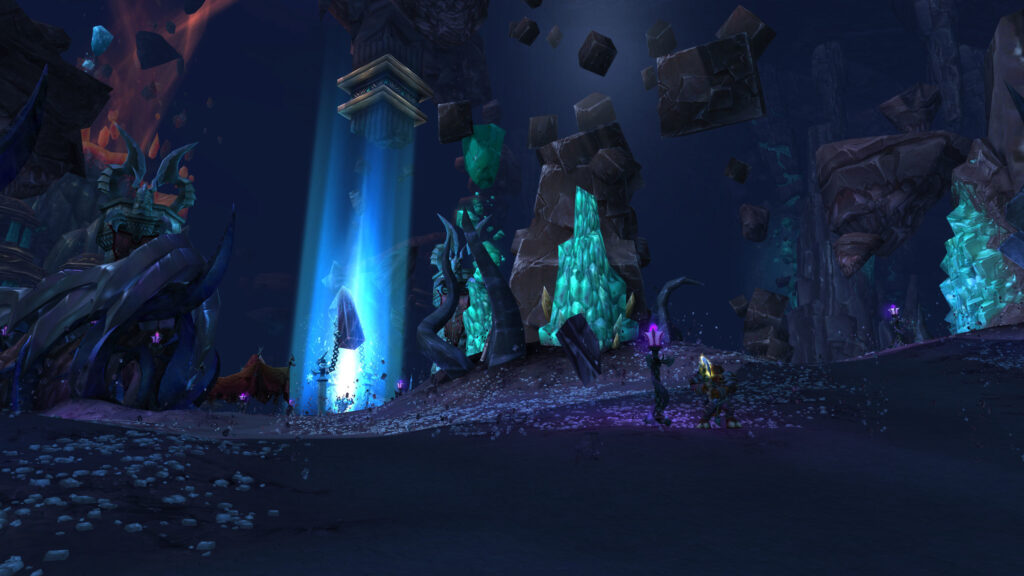
Fire: Creation, Destruction, and Rebirth
Fire represents duality — warmth and devastation, passion and ruin. Across the world’s history, fire magic appears in rituals of cleansing, in destructive rampages, and in legendary forges where artifacts were shaped. It symbolizes transformation, burning away the old to make space for something new. Fire’s unpredictability reflects the volatile spirits and primal beings tied to its legacy.
Fire becomes a story of powerful change.
Ice: Preservation, Memory, and Stillness
Ice embodies patience, stillness, and the weight of memory. Frozen landscapes hold history untouched, preserving forgotten ruins, trapped spirits, and ancient truths. Ice magic often accompanies themes of isolation, resilience, and emotional restraint. Its slow, quiet presence contrasts sharply with the violence of fire, yet both shape the world with equal force.

To illustrate the symbolism of elemental magic, here is a simple breakdown:
- Fire: Transformation, passion, destruction
- Ice: Preservation, silence, memory
- Storm: Chaos, renewal, awakening
Storm: Chaos, Awakening, and Renewal
Storm magic channels the raw, unpredictable heart of the sky. Lightning splits darkness, reshaping the world in an instant. Thunder echoes through mountains like a warning or a promise. Storms symbolize power unbound, often tied to beings who embody awakening, rebellion, or cosmic transition. Storm magic is never still — it represents change that comes with force and clarity.
Storms awaken what lies dormant.
Cultural and Spiritual Interpretations
Different civilizations interpret elemental forces based on their history and spiritual values. Some see fire as sacred, others as dangerous. Ice may be revered by cultures born in frozen lands or feared by those who survived frostborne disasters. Storms may represent divine messages or cosmic warnings. These varied interpretations create depth, making elemental magic feel culturally alive rather than purely mechanical.

Elements become shared spiritual language.
Why Elemental Magic Resonates So Deeply
Players respond to elemental magic because it mirrors natural forces they instinctively understand. Fire’s heat, ice’s chill, and the rumble of a storm evoke familiar emotions rooted in human experience. When these forces appear in the world, they feel both fantastical and grounded, bridging myth and reality through sensory storytelling.
Elemental magic feels eternal because it reflects nature itself.
Conclusion

Fire, ice, and storm magic hold mythic significance because they represent more than combat — they embody the emotional, cultural, and spiritual essence of the world. These elements shape stories of creation, memory, chaos, and renewal, forming a symbolic foundation that continues to influence lore across generations.
Leave a Reply