


Introduction: The Power of Raids in Warcraft’s Storytelling
For nearly two decades, World of Warcraft has told its most epic and unforgettable stories through its raids. These massive encounters aren’t just about defeating powerful bosses for loot—they serve as the grand stage where Azeroth’s greatest wars, betrayals, and cosmic struggles unfold.
From the icy halls of Icecrown Citadel to the eldritch nightmare of Ny’alotha, every raid tells a piece of Warcraft’s ongoing saga. The villains we face, the cities we storm, and the alliances we forge in these battles are all part of a larger, ever-expanding mythos.
This is the story of how WoW’s greatest raids have shaped the fate of Azeroth, leaving behind legendary moments that players still talk about years later.
1. The First Raids: When Azeroth’s Heroes Were Tested
A. Molten Core – The Birth of Raid Storytelling
In Vanilla WoW, players first stepped into true endgame content by venturing deep into Molten Core, the fiery domain of Ragnaros the Firelord. While dungeons like Stratholme and Scholomance had their own lore, Molten Core was different—this was a battleground against an elemental god, one of the mightiest creations of the Old Gods.
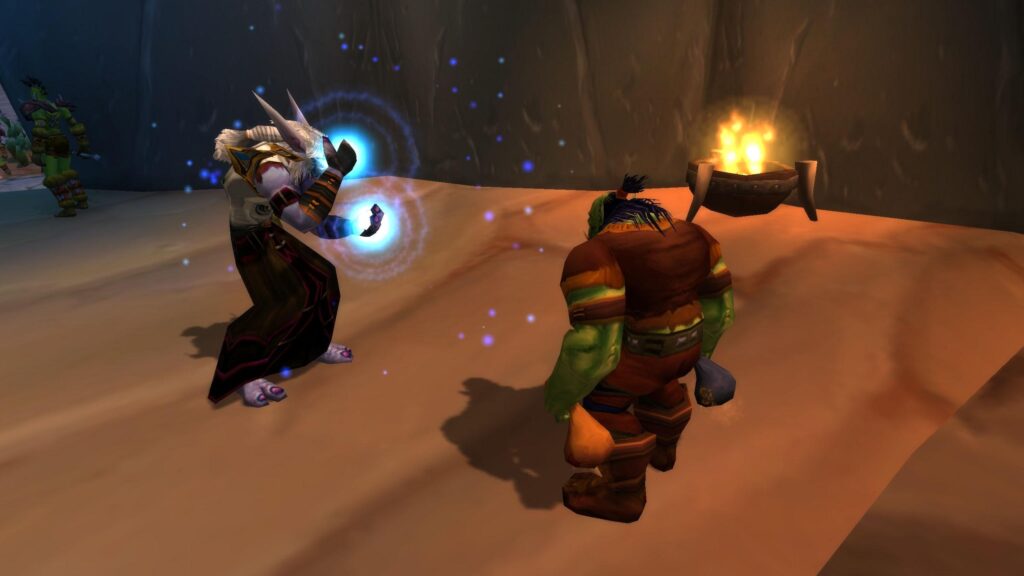
The raid was a direct continuation of the Dark Iron Dwarves’ storyline, tying into Azeroth’s ancient war against the Elemental Lords. When Ragnaros finally erupted from his lava throne, it wasn’t just a boss fight—it was a clash against one of Azeroth’s oldest and most destructive forces.
B. Onyxia’s Lair – Political Intrigue in a Raid Setting
Onyxia wasn’t just another dragon—she was a manipulative mastermind who had infiltrated Stormwind’s ruling elite, masquerading as Lady Katrana Prestor. This was one of the first moments where WoW’s raids directly impacted faction politics, proving that raid bosses weren’t just monsters to slay—they were part of a living, evolving world.
Defeating Onyxia wasn’t just about loot—it was about removing a manipulative force that had been pulling the strings in Stormwind for years.
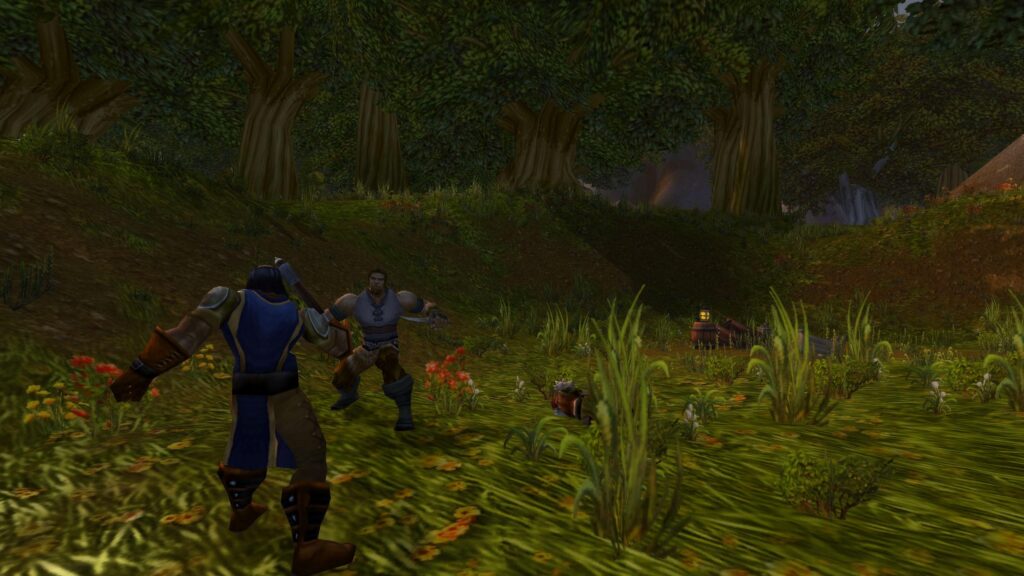
2. The Old Gods and the Rise of Cosmic Horror in WoW Raids
A. Ahn’Qiraj – The Awakening of C’Thun
The Temple of Ahn’Qiraj was a turning point for Warcraft’s lore, introducing players to the horrifying power of the Old Gods. Before this, WoW’s threats had been dragons, undead, and elemental beings—but now, players faced a truly alien horror, something that could whisper into their minds and bend reality itself.
The battle against C’Thun wasn’t just another raid boss encounter—it was the moment WoW fully embraced its eldritch horror elements, paving the way for future cosmic threats.
B. Ulduar – The Asylum of the Mad God
If Ahn’Qiraj introduced the Old Gods, Ulduar perfected their storytelling. This massive Titan complex was meant to be a prison for Yogg-Saron, but over the centuries, the Old God had corrupted its keepers, twisting the very foundations of the Titan Pantheon’s plans for Azeroth.
The raid was a masterpiece of storytelling, filled with environmental details that hinted at the true scale of the Old Gods’ corruption. Yogg-Saron’s final phase, where players battled through visions of Azeroth’s past, remains one of the most chilling lore moments in WoW’s history.
3. The Lich King’s Fall: A Story Years in the Making
Few raids in WoW’s history carry the same emotional weight as Icecrown Citadel. This wasn’t just another endgame instance—it was the culmination of years of storytelling, dating back to Warcraft III.
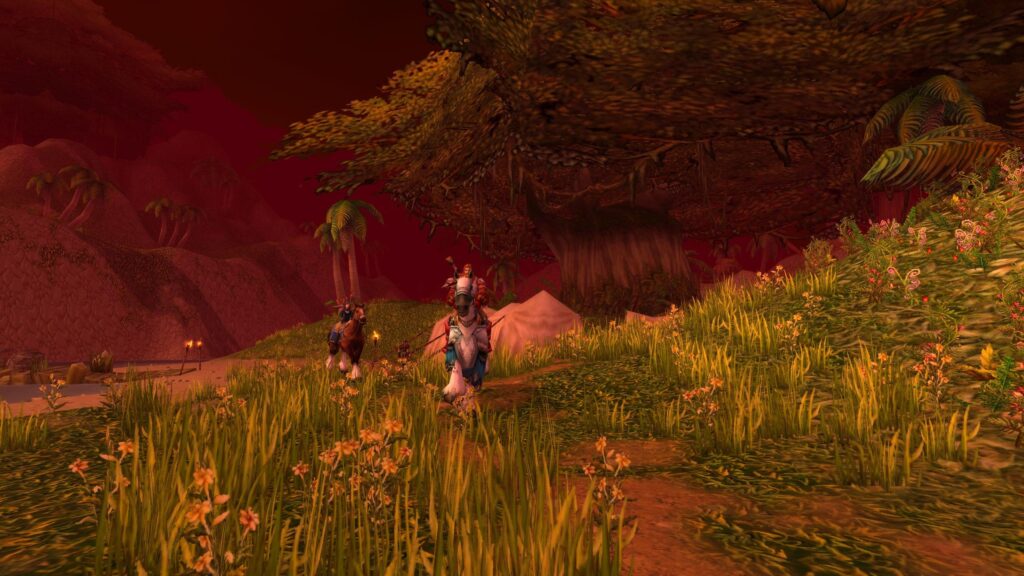
A. Icecrown Citadel – The End of Arthas Menethil
For players who had followed Arthas’ journey from noble prince to the Lich King, Icecrown was deeply personal. The raid was a relentless climb through the frozen halls of death, facing enemies who had once been heroes corrupted by undeath.
By the time players reached the Frozen Throne, they weren’t just fighting a villain—they were facing a character who had been woven into the very soul of Warcraft’s narrative.
When Tirion Fordring shattered Frostmourne, and the ghost of King Terenas Menethil II helped players deliver the final blow, it was a moment of triumph and tragedy. The Lich King was dead, but as Bolvar Fordragon took up the helm, one chilling truth remained:
“There must always be… a Lich King.”
4. The Betrayal of Garrosh Hellscream and the Siege of Orgrimmar
While many raids focus on cosmic horrors and undead legions, Siege of Orgrimmar was one of the few raids where the primary antagonist was a faction leader.
Garrosh Hellscream’s descent into tyranny had been brewing since Cataclysm, and by Mists of Pandaria, he had fully embraced dark powers, transforming Orgrimmar into a war machine fueled by the Sha’s corruption.
This raid was unique because it forced Horde players to fight their own leader. The fallout of Garrosh’s defeat would lead directly into Warlords of Draenor and change the Horde forever.
5. Shadowlands and the Afterlife War
The Shadowlands expansion pushed Warcraft’s story beyond Azeroth, taking players into the very realms of the afterlife. This was an ambitious move, shifting WoW’s narrative into entirely new cosmic territory.
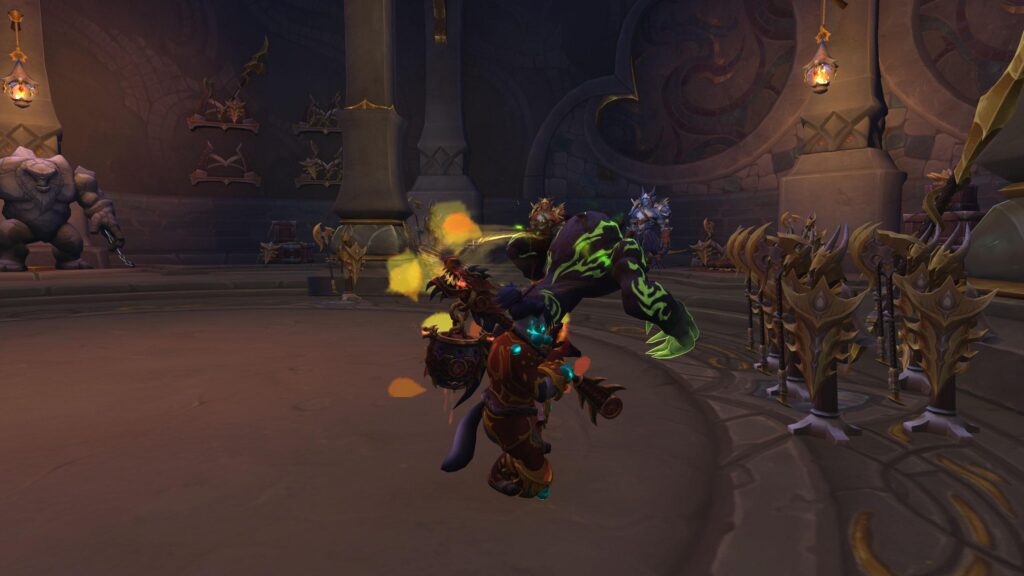
A. Castle Nathria – A New Kind of Villain
While most raid bosses are world-ending threats, Sire Denathrius was a different kind of enemy. He wasn’t a god, an undead king, or a demonic warlord—he was a charismatic, manipulative vampire lord, making Castle Nathria one of WoW’s most unique raids.
Denathrius’ defeat didn’t just remove a raid boss—it changed the entire power structure of the Shadowlands, proving that WoW could still introduce fresh and exciting narratives.
6. The Evolution of Raid Storytelling: From Dungeon Crawls to Cinematic Sagas
When WoW first introduced 40-player raids in Vanilla, they were primarily gameplay-driven challenges. Players ventured into places like Molten Core or Blackwing Lair, battling legendary foes, but the storytelling was minimal. You learned about the bosses mostly from quest text or external lore sources, and raids functioned more like massive dungeons than full-scale narrative experiences.
As the game evolved, Blizzard realized that raids weren’t just endgame challenges—they were the perfect place to conclude major expansion storylines. Over time, raids became integral to Warcraft’s ongoing narrative, with elaborate in-game cutscenes, voice-acted boss encounters, and even multiple endings or branching lore choices.
A. How Blizzard Enhanced Raid Lore Over the Years
1. Voice Acting and Boss Dialogue
Older raids had minimal dialogue, but as expansions progressed, bosses began to have fully voiced encounters, often taunting players, revealing their motives, or even progressing the story mid-fight.
For example, in The Eternal Palace, Queen Azshara constantly taunts the players, treating the raid like an elaborate game, while in Throne of Thunder, Lei Shen reveals just how much power he wielded over ancient Pandaria.
2. In-Game Cutscenes and Cinematic Moments
Raids like Siege of Orgrimmar, Antorus, and the Sanctum of Domination feature major cinematic moments at their conclusions, transforming these battles from just gameplay moments into defining events in Warcraft’s history.
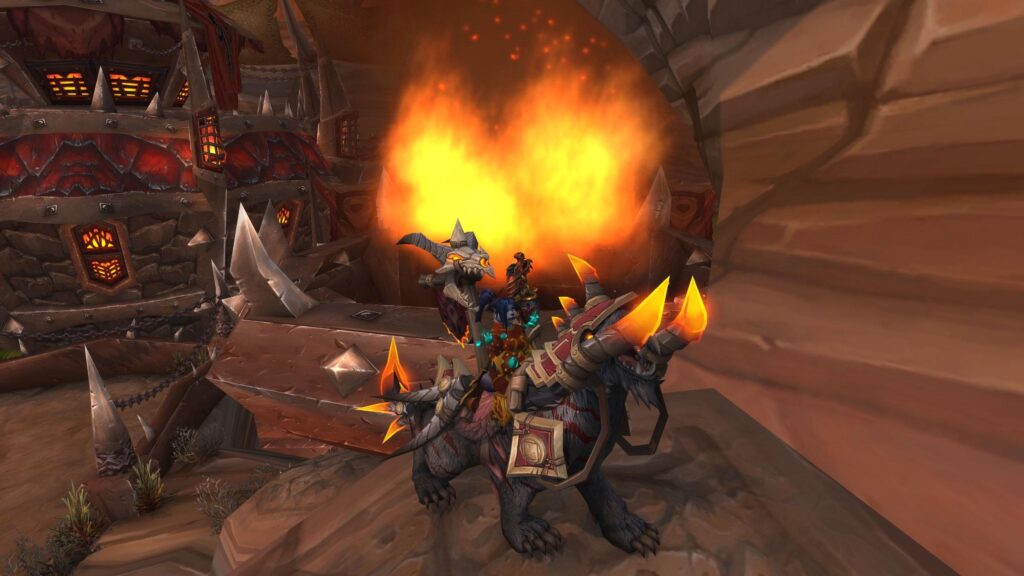
One of the most iconic raid cinematics is the Lich King’s fall in Icecrown Citadel, where players witness the heartbreaking conclusion of Arthas Menethil’s journey. The moment when Terenas revives the players and Bolvar takes the Helm of Domination is still one of the most emotional moments in WoW history.
3. Phased Encounters and Changing Environments
Instead of static rooms, modern raids now change as the battle progresses. In Battle of Dazar’alor, the Alliance and Horde experience different storylines, while in Sepulcher of the First Ones, players phase into different realms during the final encounter with the Jailer, experiencing Azeroth’s past, present, and future collapsing into one moment.
This dynamic storytelling approach makes each raid feel alive, evolving, and narratively rich.
7. The Most Devastating Events in Raid Lore
WoW raids aren’t just battlegrounds—they’re often the site of Azeroth’s greatest tragedies. Some of the most significant lore events in Warcraft’s history have happened inside raids, shaping the fate of entire factions, cities, and civilizations.
A. The Destruction of Theramore and the Siege of Orgrimmar
Before Mists of Pandaria, Jaina Proudmoore’s home city, Theramore, was obliterated by a mana bomb launched by Garrosh Hellscream. This single event turned Jaina from a diplomatic peacemaker into a ruthless enemy of the Horde.
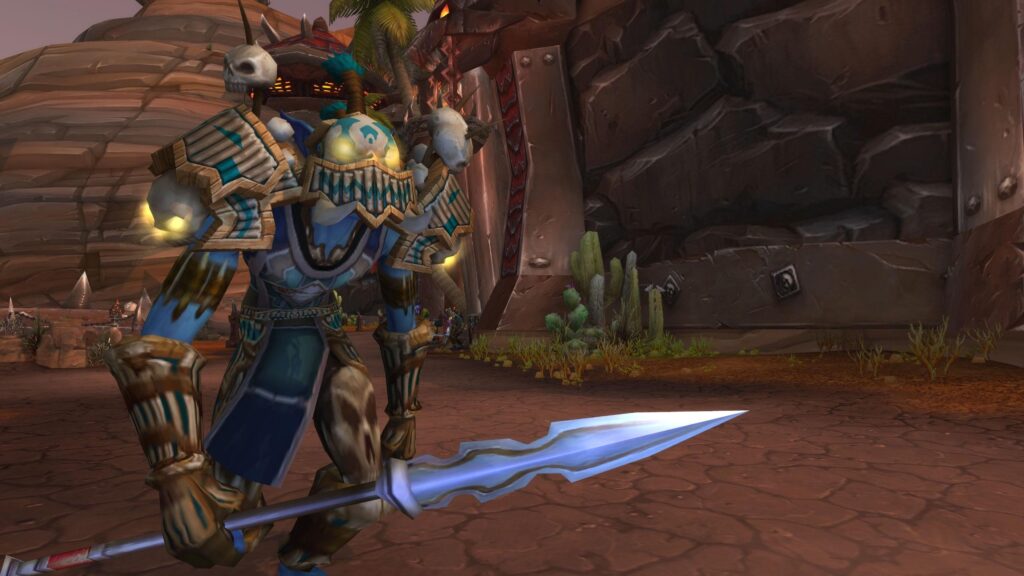
The Siege of Orgrimmar was the climax of Garrosh’s tyranny, leading to the first time in WoW history where players directly overthrew a faction leader in a raid. Unlike previous villains, Garrosh wasn’t some demon lord or undead king—he was one of the Horde’s own. His defeat forever changed the political landscape of Warcraft.
B. The Death of Varian Wrynn and the Burning of Teldrassil
Though not directly a raid, the prelude to Battle for Azeroth saw the Burning Legion claim King Varian Wrynn’s life, leaving the Alliance leaderless and sending Anduin into a forced leadership role. Later, the War of the Thorns culminated in the burning of Teldrassil, with Sylvanas committing one of the most controversial acts in Warcraft history.
The resulting Battle for Dazar’alor raid saw the Horde lose their own leader, King Rastakhan, ensuring that both factions were forever scarred by the war.
C. The Annihilation of Argus and the End of the Burning Legion
For years, the Burning Legion was Warcraft’s greatest existential threat, dating back to Warcraft III. By the time players raided Antorus, the Burning Throne, they were facing not just demons, but the Titans themselves.
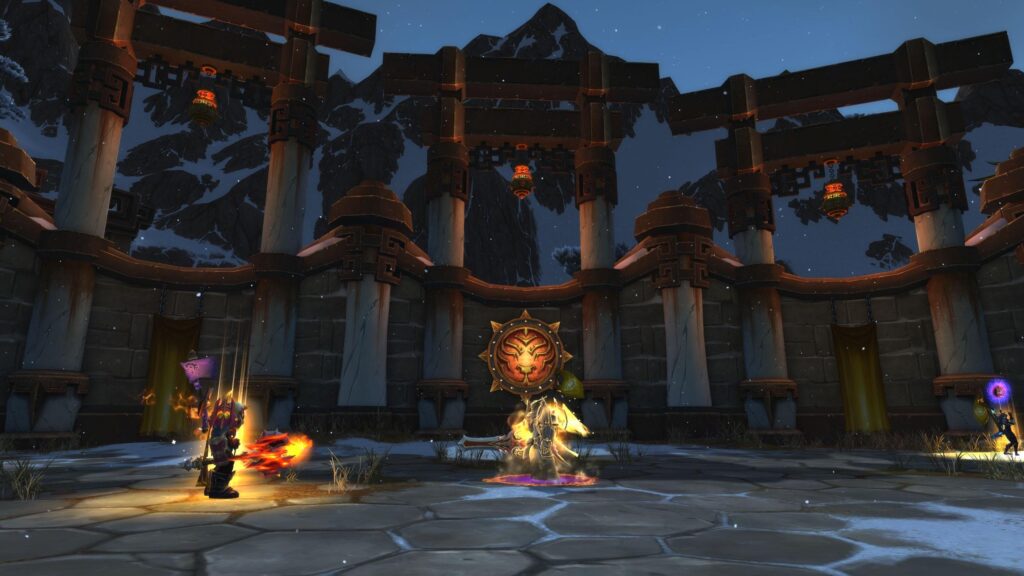
The defeat of Argus the Unmaker led to the Pantheon imprisoning Sargeras, effectively ending the Burning Legion’s reign of terror over the universe. This was a game-changing moment—a foe that had loomed over Warcraft for over a decade was finally gone forever.
Or was it? The sword of Sargeras still remains in Azeroth, a haunting reminder that his influence may not be entirely gone.
8. What’s Next for Raid Lore? The Future of Warcraft’s Grandest Battles
With The War Within expansion on the horizon, Warcraft’s story is once again moving into uncharted territory. Future raids may take players into the depths of Azeroth, uncovering Titan secrets, fighting new world-ending threats, and facing enemies we never expected.
A. Possible Future Raid Themes
- The Awakening of Azeroth’s World-Soul – Could we see a raid where we must defend or fight against Azeroth itself?
- A True Void Lord Invasion – The Old Gods were just fragments of something greater. What if we finally face the true masters of the Void?
- The Return of the Titans – Are the Titans truly the benevolent beings we think they are, or is there a darker truth behind their plans?
One thing is certain: Raid lore will continue to be Warcraft’s grandest stage.
Final Thoughts: Why Raid Lore Is the Heart of WoW’s Storytelling
WoW raids aren’t just high-end content—they are the culmination of years of storytelling. These massive battles don’t just conclude expansion narratives—they reshape the entire world of Azeroth.
From the fall of Arthas to the destruction of Argus, from the betrayal of Garrosh to the horrors of Ny’alotha, every raid has left a lasting impact on the Warcraft universe. And with future expansions promising new mysteries, ancient evils, and world-changing events, there’s no doubt that the next great chapter in raid lore is just around the corner.
Leave a Reply