


World of Warcraft offers a wide range of content to suit all player types, but nothing captures the essence of teamwork and skill quite like raiding. Over the years, Blizzard has fine-tuned its raid systems, introducing four distinct difficulty tiers: LFR, Normal, Heroic, and Mythic. Each tier caters to different skill levels and rewards, offering players unique challenges and experiences.
In this guide, we’ll break down these raid difficulty tiers, explain their mechanics and scaling, and explore what makes each one special. Whether you’re a first-time raider or a seasoned veteran aiming for Mythic glory, understanding how these tiers work is crucial for maximizing your WoW experience.
The Evolution of Raid Difficulty in WoW
Before diving into the specifics, it’s important to understand how raid difficulty has evolved over the years. In the early days of WoW, raids had a single difficulty level, meaning players had to adapt to the one-size-fits-all approach. Over time, Blizzard introduced tiered difficulties to make raiding more accessible while preserving the challenge for dedicated players.

This evolution brought significant changes:
- Burning Crusade introduced Heroic dungeons but left raids with fixed difficulties.
- Wrath of the Lich King introduced flexible raid sizes (10-man and 25-man), with some bosses offering “hard modes.”
- Cataclysm standardized Normal and Heroic modes for raids.
- Warlords of Draenor introduced flexible group sizes for most raid difficulties and capped Mythic at 20 players.
- Today, WoW’s raiding experience spans four distinct tiers, each with its own purpose and scaling system.
Looking for Raid: The Entry-Level Experience
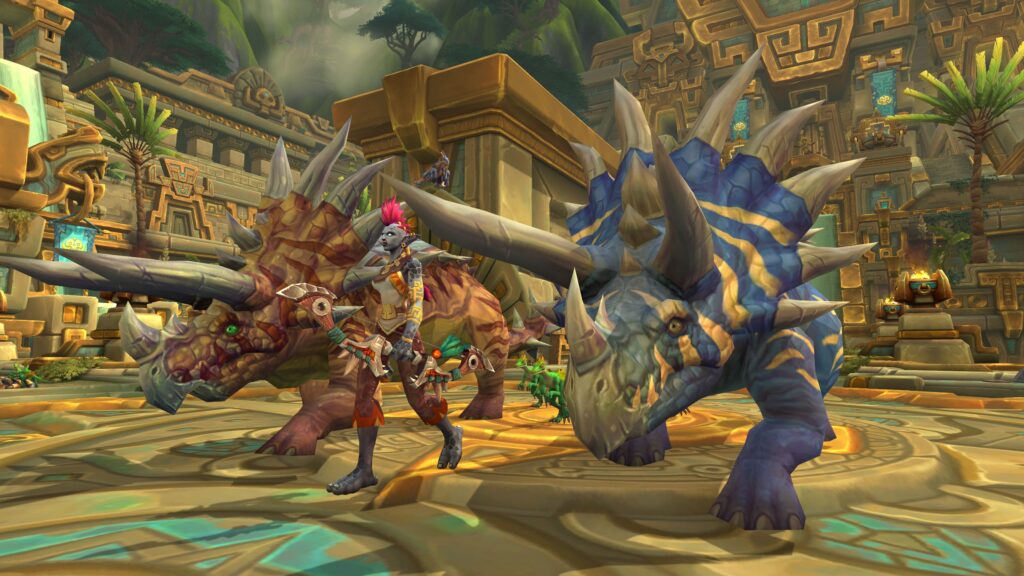
LFR is the most accessible form of raiding in WoW, designed for casual players who want to experience raid content without the time commitment or coordination required for higher difficulties.
Key Features of LFR:
- Automated Group Finder: Players are matched with others using the in-game system, requiring no pre-formed groups.
- Simplified Mechanics: Bosses have reduced health, deal less damage, and have fewer mechanics compared to Normal difficulty.
- Gear Rewards: While LFR loot is the weakest among raid tiers, it provides a solid starting point for gearing.
- Flexibility: LFR is designed for players who might not have regular raid groups or the time to dedicate to progression raiding.
LFR serves as a narrative-focused tier, allowing players to enjoy the storyline without the pressure of mastering advanced mechanics. However, it often lacks the coordination and camaraderie found in organized raid groups.
Normal Difficulty: The First Step into Organized Raiding
Normal mode is where players begin to experience the challenges of organized raiding. It’s an ideal starting point for guilds and groups looking to tackle content with moderate difficulty while still enjoying flexible group sizes.
What Sets Normal Apart:
- Flexible Scaling: Group sizes can range from 10 to 30 players, with boss health and damage scaling accordingly.
- Moderate Mechanics: Bosses introduce more mechanics than LFR but remain forgiving for groups learning the fights.
- Better Gear Rewards: Normal raids drop higher item-level gear than LFR, making it a stepping stone to Heroic progression.
- Learning Environment: Normal is perfect for players to refine their rotations, learn positioning, and build teamwork skills.
Normal mode strikes a balance between accessibility and challenge, making it the go-to difficulty for players who want to progress without the intensity of higher tiers.
Heroic Difficulty: The Challenge for Dedicated Raiders
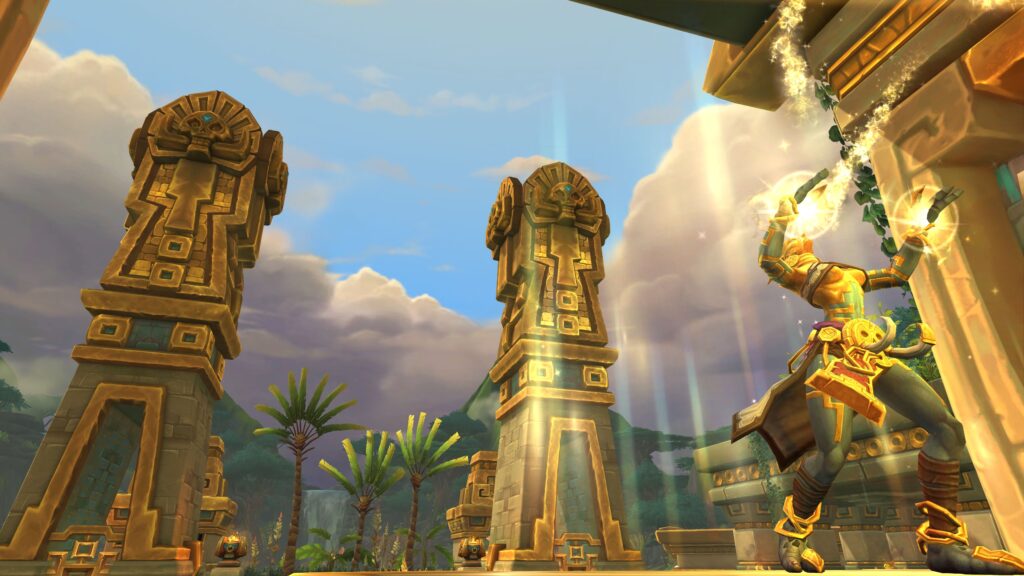
Heroic raiding represents a significant step up in both difficulty and coordination. It’s tailored for players who want to push their limits and experience more complex mechanics.
Key Characteristics of Heroic Mode:
- Increased Complexity: Bosses feature additional mechanics and tighter tuning, requiring precise execution.
- Flexible Group Sizes: Like Normal, Heroic supports 10 to 30 players with dynamic scaling.
- Significant Gear Rewards: Heroic loot is much more powerful and often includes unique transmog appearances.
- PUG Viability: While many groups clear Heroic with guilds, it’s still possible to progress with pick-up groups (PUGs) using the Group Finder.
Heroic raiding demands a higher level of preparation, including optimized gear, consumables, and communication. It’s where many guilds spend the bulk of their progression time before attempting Mythic.
Mythic Difficulty: The Pinnacle of WoW Raiding
Mythic is the ultimate challenge in WoW raiding, designed for the most skilled and dedicated players. Unlike other tiers, it requires a fixed group size and flawless execution.
What Makes Mythic Special:
- Fixed 20-Player Size: Mythic raids are locked to a specific group size, ensuring encounters are finely tuned.
- Complex Mechanics: Bosses introduce unique mechanics that drastically alter the fight compared to Heroic.
- High Risk, High Reward: Mythic loot includes the best gear in the game, exclusive mounts, titles, and achievements.
- Coordination is Key: Mythic raids demand excellent communication, perfect positioning, and role synergy.
Progressing through Mythic requires weeks or months of dedication, with top guilds competing for world-first clears. It’s not for the faint of heart but offers unmatched satisfaction for those who succeed.
How Raid Difficulty Scaling Works
One of WoW’s standout features is its flexible scaling system, which adjusts boss health, damage, and mechanics based on group size (except for Mythic). This system ensures that raids remain challenging but accessible to various group sizes.
- Dynamic Adjustments: In Normal and Heroic modes, bosses scale in difficulty based on the number of players. This allows small guilds and large groups to tackle the same content.
- Static Difficulty for Mythic: Mythic raids maintain a fixed challenge level to ensure consistent difficulty across all guilds.
Scaling also applies to loot drops, with larger groups yielding more items, encouraging guilds to bring more players without compromising difficulty.
Choosing the Right Difficulty for You
Determining which raid difficulty to tackle depends on your goals, time commitment, and skill level.
- LFR: Ideal for story-driven players or those new to raiding.
- Normal: Great for casual guilds or players transitioning to organized raiding.
- Heroic: Aimed at experienced players seeking challenging content.
- Mythic: Reserved for elite raiders who thrive on precision and competition.
By progressing through these tiers, players can gradually improve their skills and gear, preparing them for greater challenges.
Why Blizzard Designed Different Raid Tiers
The introduction of multiple raid difficulty tiers wasn’t just about making content more accessible—it was also about keeping the game engaging for a diverse player base. Here are some reasons why Blizzard implemented these tiers:
1. Accessibility for All Player Types
Before tiers like LFR existed, raiding was largely inaccessible to casual players due to the need for pre-formed groups, high skill barriers, and time-intensive coordination. LFR provided an entry-level option, ensuring every player could experience the game’s epic storylines and iconic bosses.
2. A Structured Progression Path
The tier system allows players to progress at their own pace. A new player might start with LFR to learn the mechanics, then move to Normal and Heroic as they improve, and eventually aim for Mythic if they desire the ultimate challenge.
3. Replayability and Longevity
With multiple difficulty levels, Blizzard ensures that raids stay relevant for longer periods. Even if a group clears Normal, there’s still Heroic and Mythic to conquer, providing months of additional content.
The Community’s Take on Raid Difficulty
Over the years, players have had varying opinions on WoW’s raid difficulty tiers. Some applaud Blizzard for making raiding more inclusive, while others miss the exclusivity and prestige of older raids. Let’s explore these perspectives:
The Case for LFR
Casual players often praise LFR for allowing them to experience endgame content without committing to weekly raid schedules. For players who primarily enjoy WoW’s narrative, LFR is a perfect solution.
However, some raiders criticize LFR for watering down the raiding experience, as its simplified mechanics and lack of coordination can lead to less engaging gameplay.
Heroic and Mythic as the Gold Standards
Heroic and Mythic tiers are widely regarded as the definitive raiding experiences. Heroic offers a significant challenge without being as punishing as Mythic, making it the most popular tier for organized guilds.
Meanwhile, Mythic remains the ultimate goal for hardcore raiders, with its fixed group size and punishing mechanics ensuring that only the most dedicated players succeed. The prestige of earning a Cutting Edge achievement or a world-first kill has cemented Mythic raiding as one of WoW’s most rewarding pursuits.
Rewards Across Raid Difficulty Levels
One of the major incentives for progressing through raid difficulties is the gear and cosmetic rewards. Each tier offers increasingly powerful loot, along with unique cosmetics and achievements.
Gear Progression
- LFR Gear: Basic items, useful for gearing up alts or new players but often outclassed by dungeon rewards or crafted gear.
- Normal Gear: A solid starting point for raiding, with stats that help players tackle tougher difficulties.
- Heroic Gear: Offers significant upgrades and serves as the stepping stone to Mythic. Many guilds farm Heroic raids to gear up for Mythic progression.
- Mythic Gear: The pinnacle of raid loot, often featuring unique effects, increased stats, and exclusive transmog appearances.
Achievements and Titles
Each raid tier offers unique achievements that reflect the difficulty level. Mythic raiders often earn prestigious titles and rare mounts, such as the exclusive Mythic end-boss mount, which serves as a badge of honor.
How Raid Tiers Impact Guild Dynamics
For guilds, deciding which raid difficulty to focus on can significantly influence their recruitment, progression speed, and overall morale.
Casual Guilds and Normal Progression
Casual guilds typically focus on Normal and Heroic raids. These difficulties are more forgiving and allow players to enjoy the game without excessive pressure. Recruitment is also easier at these levels, as most players are willing to commit to one or two raid nights per week.
Mythic Guilds and Hardcore Expectations
Mythic guilds operate on a completely different level. Recruitment is highly competitive, often requiring applicants to submit logs showcasing their performance. Attendance, preparation, and consistency are non-negotiable.
For Mythic guilds, progression is a team effort, and even minor mistakes can derail a raid night. However, the rewards and camaraderie make the effort worthwhile for dedicated players.
Future Possibilities for Raid Tiers in WoW
As WoW continues to evolve, Blizzard might make further adjustments to raid tiers to enhance accessibility, engagement, and reward structures.

Some possibilities include:
1. Dynamic Difficulty Adjustments
Blizzard could introduce systems where difficulty adapts in real-time based on raid performance. For example, a raid struggling on a Mythic boss might see slightly reduced damage output from enemies, allowing them to progress while still facing a challenge.
2. Bonus Rewards for Completion
To incentivize progression through higher tiers, Blizzard could implement bonus rewards for clearing a raid on all difficulties. This might include exclusive mounts, titles, or transmogs for players who conquer LFR, Normal, Heroic, and Mythic.
3. Cross-Tier Mechanics
Blizzard might experiment with mechanics that carry over between tiers. For instance, defeating a Mythic boss could unlock a special mechanic or buff that makes Heroic clears faster, encouraging players to attempt higher difficulties.
Final Thoughts: Navigating WoW’s Raid Difficulty Tiers
Understanding WoW’s raid difficulty tiers is essential for every raider, whether you’re diving into LFR for the first time or aiming for world-first Mythic kills. Each tier offers unique challenges and rewards, catering to different player types and ensuring there’s something for everyone.
For casual players, LFR and Normal raids provide an accessible and enjoyable way to experience WoW’s epic raid encounters. For those seeking greater challenges, Heroic and Mythic offer opportunities to push their skills to the limit, forge strong guild bonds, and earn prestigious rewards.
As you climb the raid ladder, remember that success isn’t just about defeating bosses—it’s about the journey, the friendships, and the memories made along the way. So gear up, gather your raid team, and face Azeroth’s greatest challenges head-on!
Leave a Reply